

Phase 1 Environmental Site Assessment Cost In North & South Carolina (2026 Updated)

By Kerry Cooper
Founder & Lead Geotechnical Engineer
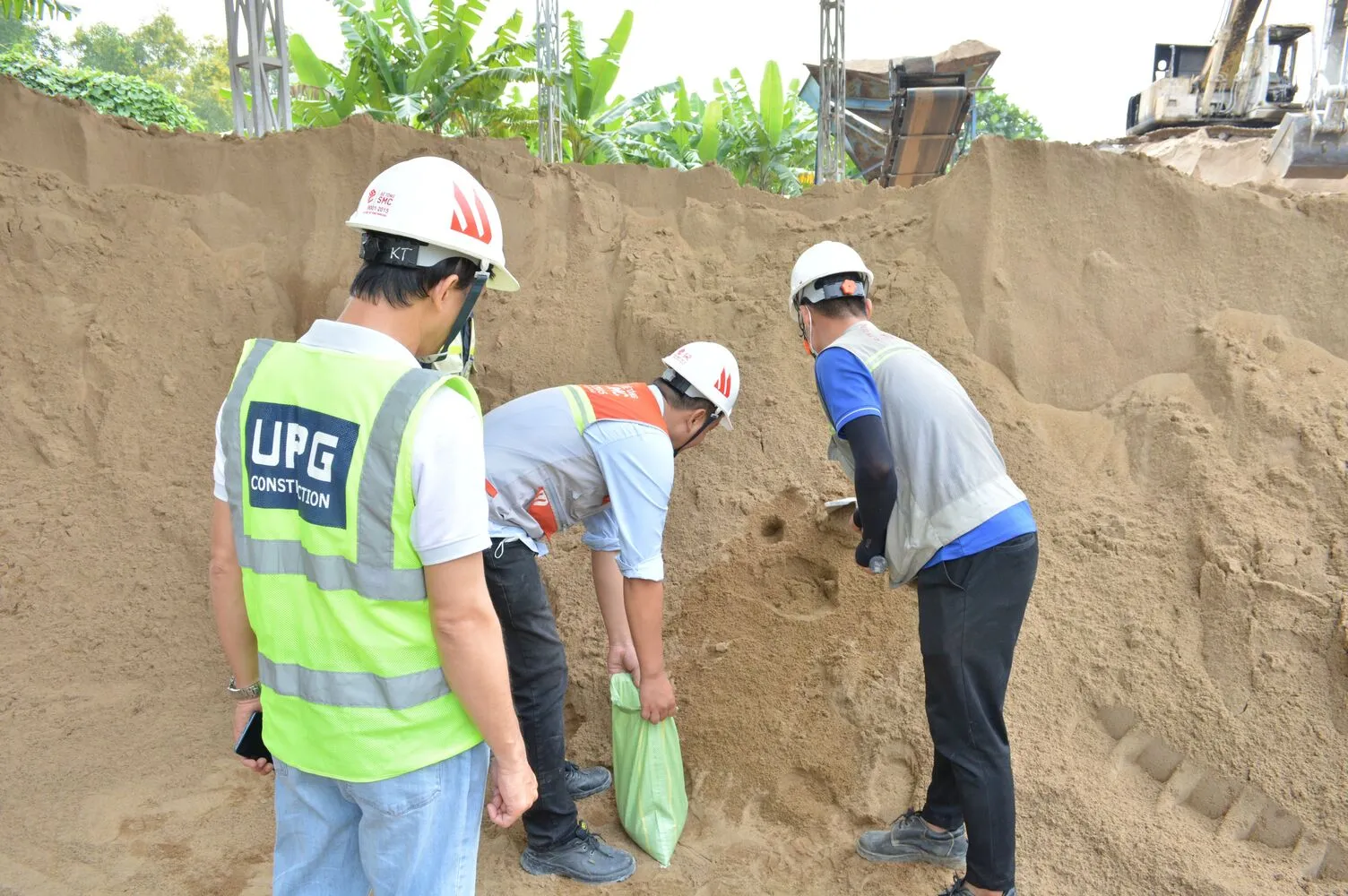
Whether you’re buying a commercial property, applying for financing, or planning a development project, a phase 1 environmental site assessment (ESA) is one of the first steps in the process.
This assessment helps identify potential environmental risks associated with a property. It helps detect issues tied to past land use, hazardous materials, underground storage tanks, or other environmental concerns that can create liability down the road.
Now, before you schedule an ESA, the first question you might have is: How much does a phase 1 environmental site assessment cost?
The short answer is, you can expect to pay anywhere from $1,800 to $5,000 or more. But the exact cost depends on the property’s size, location, history, and complexity.
In this blog, I’ll break everything down for you. You’ll know:
- How much a phase 1 environmental site assessment costs in North and South Carolina
- What factors affect phase 1 ESA cost
- What’s included in the assessment
- Who pays for a phase 1 ESA
- How phase 1 and phase 2 ESA costs compare
- How to budget properly for environmental due diligence
So, let’s get started.
Key takeaways
- Phase 1 environmental site assessment cost ranges from $1,800 to $5,000+
- Small commercial properties generally cost less than large industrial sites
- Property history and complexity play a major role in pricing
- Most Phase 1 ESAs include site inspection, records review, interviews, and a written report
- Soil and groundwater testing are not included in a standard Phase 1 ESA
- Buyers usually pay for the assessment during commercial real estate transactions
- A Phase 1 ESA can help detect environmental risks before they become costly problems
What is a phase 1 environmental site assessment?
A phase 1 environmental site assessment is a professional environmental review of a property. It helps identify potential environmental risks before a purchase, project development, or financing moves forward.
You can think of it as a background check for the property.
Here, instead of looking at the building’s structure, the assessment looks at the property’s environmental history and current conditions to determine whether there are or environmental liabilities.
During a phase 1 ESA, environmental professionals review the following:
- Historical property records
- Previous land use
- Regulatory databases
- Aerial photographs
- Environmental reports
- Current site conditions
Also, they perform a site visit and look for visible signs of environmental concerns. For instance, they might identify:
- Former gas stations
- Underground storage tanks
- Chemical storage areas
- Evidence of spills or contamination
- Hazardous material concerns
- Industrial activities on or near the property
At the end of the process, you’ll receive a report outlining the findings and whether any recognized environmental conditions (RECs) were identified.
Don’t Let Site Conditions Delay Your Project
From geotechnical reports to environmental assessments, and more, our ACI-certified experts deliver the data and insights you need to stay on schedule.

How much does a phase 1 environmental site assessment cost?

For starters, the average phase 1 environmental assessment cost in North and South Carolina falls between $1,800 and $5,000.
This includes a site visit, historical records review, regulatory database research, interviews, and a written report.
However, the final price can vary depending on the property type, location, size, and complexity.
Let me break it down for you.
1. Small commercial property phase 1 ESA costs $1,800-$2,500
If you’re purchasing a small office building, retail space, or similar commercial property, the phase 1 ESA cost will typically fall on the lower end of the pricing range.
These properties are generally easier to evaluate because they have fewer environmental concerns and less complicated site histories.
In many cases, the environmental consultant can complete the research and site review relatively quickly, which helps keep costs down.
2. Standard commercial property assessments cost $2,500-$4,000
For most commercial real estate transactions in North and South Carolina, this is where the phase 1 environmental study cost tends to fall.
These assessments typically involve larger properties, more historical research, and additional documentation.
For instance, if you’re purchasing a shopping center, warehouse, medical office, or mixed-use property, the consultant might need to review a longer history of land use and neighboring properties.
And as the amount of research increases, so does the overall Phase 1 environmental assessment cost.
3. Industrial property assessments cost $3,500-$6,000+
Industrial properties often require a much deeper level of environmental due diligence. That’s because properties that have been used for manufacturing, chemical storage, vehicle maintenance, or heavy industrial operations typically carry a higher environmental risk profile.4
For instance, properties like these can have hidden asbestos way higher than the permissible exposure limit for asbestos.
As a result, environmental professionals spend more time reviewing records, evaluating historical operations, and assessing potential contamination concerns. This is why Phase 1 ESA cost for commercial property in the industrial sector is often significantly higher.
4. Large or complex sites can cost $5,000+
Some projects simply require more work.
For instance, large development sites, multi-parcel properties, older industrial facilities, and properties with lengthy ownership histories often require extensive research and documentation.
In these situations, the environmental consultant needs to review decades of records, analyze multiple parcels, and coordinate information from several sources. This naturally increases the phase 1 environmental cost.
In short, here’s the average phase 1 environmental site assessment cost:
| Property Type | Typical Cost Range |
| Small commercial property | $1,800-$2,500 |
| Standard commercial property | $2,500-$4,000 |
| Industrial property | $3,500-$6,000+ |
| Large or complex sites | $5,000+ |
What factors affect the final phase 1 environmental assessment cost?

As you can see, phase 1 environmental site assessment cost isn’t the same for every property. That’s because some assessments can be completed fairly quickly, while others require more research and analysis.
This can sure be confusing.
The good part?
Once you understand what affects the pricing, you can easily estimate your costs and plan your environmental due diligence budget.
Here are the biggest factors that influence Phase 1 ESA cost:
1. Property size
A larger property generally requires more time to inspect, document, and research.
Now, more area to review usually means more work for the environmental professional, which increases the overall cost of a Phase 1 environmental assessment.
2. Property type and use
Not all properties carry the same environmental risk.
For instance, office buildings, retail centers, and medical offices generally have fewer environmental concerns than industrial facilities.
On the other hand, properties that have been used for manufacturing, automotive services, dry cleaning operations, fuel storage, or industrial activities often require additional investigation.
This is one of the biggest reasons why phase 1 environmental study cost varies significantly from one project to another.
3. Historical property use
A property’s history can have a major impact on pricing.
For instance, if the site has been used for the same purpose for decades, the assessment process is usually more straightforward.
However, if the property has changed ownership multiple times or hosted different business activities over the years, the environmental consultant will need to conduct additional historical research.
So the more complicated the history, the more time is needed to complete the assessment, and thus, higher phase 1 environmental cost.
4. Number of land parcels involved
Some real-estate transactions involve a single land parcel while others involve several adjacent land parcels that are being purchased or developed together.
Also, each parcel might require separate research, records reviews, and documentation.
And as the number of parcels increases, so does the amount of work involved. This can have a noticeable impact on the overall phase 1 environmental site assessment cost.
5. Location of the property
Properties located in major metropolitan areas often have slightly different pricing than those located in smaller communities.
In some cases, remote sites require additional travel time and field expenses. Also, the availability of historical records and local regulatory information is limited here, which affects the amount of research required.
This is one reason why Phase 1 ESA cost in North Carolina and South Carolina vary so much depending on where the property is located.
6. Turnaround time
If you need the assessment completed quickly, expect to pay more.
Many environmental consulting firms offer expedited services for buyers facing tight closing deadlines.
These rush projects often require consultants to rearrange schedules and prioritize the assessment over other work. That additional flexibility usually comes at a premium.
In short, here’s what affects phase 1 ESA cost:
| Factor | How It Affects Cost |
| Property size | Larger properties require more research and inspection time |
| Property type | Industrial sites often cost more than office or retail properties |
| Historical use | Complex site histories require deeper investigation |
| Number of parcels | Multiple parcels increase research requirements |
| Location | Travel and local conditions can affect pricing |
| Turnaround time | Rush assessments typically cost more |
What is included in phase 1 environmental site assessment cost?
One of the most common questions property buyers ask about phase 1 ESA cost is what they’re actually paying for.
The good news is that most phase 1 ESA reports include everything needed to evaluate a property’s environmental history and identify potential concerns.
Here’s what is typically included in the cost:
1. Site inspection
Here, an environmental professional visits the property and performs a visual inspection.
During this visit, they look for signs of potential environmental issues, current site conditions, and evidence of past activities that might have created contamination risks.
2. Historical records review
The consultant researches the property’s history using various sources.
This often includes historical maps, aerial photographs, city directories, property records, and previous environmental reports.
3. Environmental database review
The assessment also includes a review of local, state, and federal environmental databases.
These databases help identify known contamination sites, hazardous waste facilities, underground storage tanks, and other environmental concerns located on or near the property.
4. Interviews
When appropriate, the consultant might conduct interviews with property owners, occupants, local officials, or other individuals familiar with the site’s history.
These conversations can provide valuable information that may not appear in public records.
5. Written report
At the end of the assessment, you’ll receive a comprehensive ESA report summarizing the findings.
Phase 1 environmental report cost is included in the overall assessment cost.
In short, here’s what is included in the phase 1 ESA cost:
| Service | Description |
| Site inspection | Visual review of property conditions |
| Historical research | Review of past land use and property records |
| Database review | Search of environmental regulatory databases |
| Interviews | Discussions with knowledgeable parties when needed |
| Written report | Findings, conclusions, and recommendations |
What’s not included in phase 1 environmental cost?
While a Phase 1 ESA is a thorough environmental review, it does have limitations.
There are several services that are typically not included in the standard Phase 1 environmental report cost. This includes:
- Soil sampling
- Groundwater testing
- Laboratory analysis
- Indoor air quality testing
- Asbestos inspections
- Lead-based paint testing
- Environmental remediation plans
- Phase 2 Environmental Site Assessments
Bonus: Here’s how phase 1 vs phase 2 ESA cost differs
| Assessment Type | Typical Cost Range | Purpose |
| Phase 1 ESA | $1,800-$5,000+ | Identify potential environmental concerns |
| Phase 2 ESA | $5,000-$25,000+ | Test for actual contamination |
Who pays for a phase 1 ESA?
In most commercial real estate transactions, the buyer pays for the Phase 1 ESA.
That’s because the assessment primarily benefits the buyer by helping them understand any environmental risks before completing the purchase. Also, lenders require a Phase 1 ESA before approving financing for certain commercial properties.
That said, every transaction is different.
In some cases, buyers and sellers negotiate who will pay for environmental assessments during the purchase process.
The important thing here is that environmental due diligence cost is usually a small percentage of the overall property investment, but provides you significant protection against future liability.
Don’t Let Site Conditions Delay Your Project
From geotechnical reports to environmental assessments, and more, our ACI-certified experts deliver the data and insights you need to stay on schedule.
Conclusion
By now, you should have a clear idea of how much phase 1 environmental site assessment cost generally is in North and South Carolina and what factors affect the price.
The good part is that a phase 1 ESA cost is relatively affordable when compared to the potential financial risks associated with environmental contamination. That’s why you should view the assessment as an investment rather than an expense.
A thorough Phase 1 ESA can provide valuable insight, support informed decision-making, and help protect you from environmental liabilities that could cost far more in the future.
Got more questions or need an ES for your property?
You can get in touch with us!
At NewTech Engineering, we provide Environmental Site Assessments across North and South Carolina for commercial real estate transactions, development projects, lenders, and property owners.
Our team delivers clear, reliable environmental due diligence services so you can move forward with confidence.
FAQs about phase 1 environmental site assessments
How much does a phase 1 ESA cost in North Carolina?
For most commercial properties, phase 1 ESA cost in North Carolina typically ranges between $1,800 and $5,000.
Smaller properties with simple site histories are generally less expensive, while larger industrial or complex sites often cost more.
How long does a phase 1 environmental site assessment take?
Most phase 1 ESAs take between 2 and 4 weeks to complete.
The exact timeline depends on the property’s size, complexity, availability of records, and the consultant’s workload.
Is a phase 1 ESA required by lenders?
In many commercial real estate transactions, yes.
Lenders frequently require a phase 1 ESA before approving financing because it helps identify environmental risks that could affect the property’s value or create future liability.
What happens if a phase 1 ESA identifies environmental concerns?
If the assessment identifies recognized environmental conditions, the environmental consultant might recommend additional investigation.
This often involves a phase 2 environmental site assessment, which includes soil, groundwater, or other environmental testing to determine whether contamination is present.
Is a phase 1 ESA worth the cost?
Absolutely.
The cost of a phase 1 environmental site assessment is small compared to the potential financial impact of purchasing a contaminated property.
The assessment helps buyers understand environmental risks before closing and can prevent expensive surprises later.
For many commercial property transactions, it is one of the most valuable due diligence investments you can make.
Kerry Cooper is the founder of New Tech Engineering, He brings over 20 years of hands-on experience in geotechnical investigation, soil analysis, and foundation design across residential, commercial, and infrastructure projects. Kerry leads a team focused on delivering data-driven insights that help builders and developers make smarter, safer decisions from the ground up.


