


What Is Soil and Groundwater Remediation And What Techniques Does It Use?

By Kerry Cooper
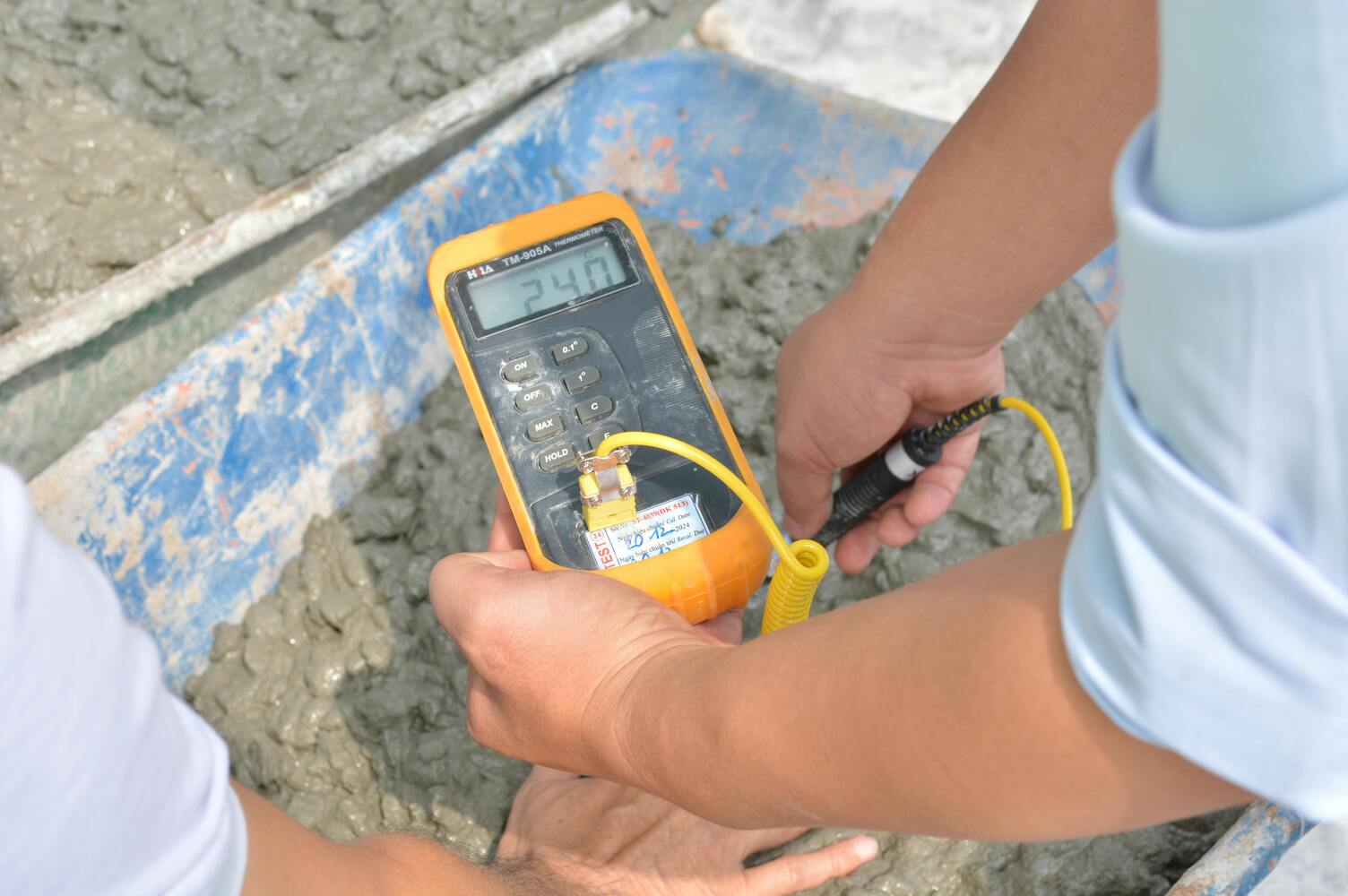
You might have heard about construction sites where everything looked normal on the surface, but construction suddenly stopped because of contaminated soil or groundwater issues.
A lot of contractors are surprised when this happens. After all, the land just looked normal; there was nothing special or dangerous-looking.
But as a geotechnical engineering consultant, I’ve seen firsthand how soil and groundwater can contain chemicals, fuels, metals, or industrial waste that completely change how a site can be used.
This is exactly where soil and groundwater remediation comes in handy. It helps you use the contaminated site again for construction projects, commercial developments, or any infrastructure work.
Now, if you’re wondering what contaminated soil remediation is, this blog is all about it.
So, read on to know how a site gets contaminated and how various remediation techniques help you use it again.
Key takeaways
- Soil and groundwater remediation is the process of cleaning contaminated soil and underground water
- Contamination usually comes from industrial waste, fuel leaks, chemicals, or landfill seepage
- Soil and groundwater are connected, so contamination in one often affects the other
- Common groundwater remediation methods include pump-and-treat and in-situ treatment systems
- Soil remediation includes excavation, soil washing, chemical treatment, and bioremediation
- The goal is to reduce contamination to safe levels for construction or environmental use
What is soil and groundwater remediation?

To put it simply, soil and groundwater remediation is the process of cleaning or managing polluted soil and underground water so your land becomes safe for use again.
You see, if soil or groundwater becomes contaminated, it can contain harmful substances like:
- Petroleum hydrocarbons (like fuel or oil leaks)
- Industrial solvents
- Heavy metals (like lead, arsenic, or mercury)
- Agricultural chemicals (like pesticides or fertilizers)
- Industrial waste compounds
Now, these contaminants don’t just stay in one place. They can slowly move through soil layers and reach groundwater, creating what engineers call a contaminant plume.
And once that happens, the issue is no longer just soil contamination, it becomes a combined soil and groundwater problem.
That’s why contaminated soil and groundwater remediation is often used together before any infrastructure work begins to ensure complete decontamination.
Why are soil and groundwater treated together?
Soil and groundwater are not separate systems. They are connected.
Think of soil like a sponge. When liquid contaminants enter it, they don’t just stay fixed, they slowly move downward with rainwater and gravity until they reach groundwater.
And once groundwater becomes contaminated, it can travel much farther underground through aquifers.
That’s why engineers usually design soil and groundwater remediation systems together instead of treating them separately.
Why is remediation so important in construction?
From a construction point of view, contaminated soil is not just an environmental issue. It directly affects:
- Foundation stability
- Excavation safety
- Drainage behavior
- Permit approvals
- Project cost and timelines
For instance, if groundwater contamination is present at shallow depth, it might require redesigning foundation systems or installing protective barriers.
And in some cases, construction cannot proceed until remediation is completed or approved.
Here’s what engineers do during groundwater and soil remediation:
- Reduce contaminant concentration
- Stop contamination from spreading
- Protect nearby water sources
- Make land safe for construction or redevelopment
- Meet environmental regulatory standards
Now, sometimes the final goal of a soil test for contaminants is full cleanup of the contaminated area. However, depending on your project’s requirements, engineers can also work on containment or stopping spread rather than complete removal.
What is groundwater remediation?

Groundwater remediation is the process of removing or treating contaminated water found beneath the ground surface.
This process is used when pollutants like fuel, solvents, or chemicals have seeped down through soil and entered the groundwater system.
That’s because once this happens, the contamination spreads in a direction based on groundwater flow, forming what is called a contaminant plume.
The main goal of remediation is simple: Stop the plume from spreading and reduce contaminant levels to safe limits.
Here are the different types of groundwater remediation techniques and their uses:
1. Pump and treat groundwater remediation
One of the most widely used groundwater remediation methods is the pump-and-treat system. This is also one of the easiest to understand.
Here’s how it works:
- Contaminated groundwater is pumped out of the ground using wells
- The water is brought to the surface
- It is treated using filtration or chemical processes
- Cleaned water is discharged or re-injected underground
This is why it is called pump and treat groundwater remediation.
Where it is commonly used:
- Fuel spill sites
- Industrial contamination zones
- Large commercial or redevelopment projects
- Long-term plume management sites
Advantages of pump and treat groundwater remediation:
- It is a simple and proven method
- It can handle large volumes of water
- It is effective for many types of dissolved contaminants
Limitations of pump and treat groundwater remediation:
- It can take a long time (sometimes years or decades)
- It is less effective for tightly trapped contaminants
- It requires ongoing operational cost
So while pump-and-treat is reliable, it is not a quick fix. It is more of a controlled cleanup process over time.
2. In-situ groundwater remediation systems
Unlike pump-and-treat, in-situ groundwater remediation systems treat contamination directly underground without removing water.
This approach is becoming more common because it reduces excavation and handling costs. So much so that almost every company suggests this during groundwater consulting services.
Here are some common in-situ remediation methods:
A. Chemical injection (ISCO)
ISCO stands for In-Situ Chemical Oxidation.
In this method, oxidizing chemicals are injected into the ground to break down contaminants into harmless substances. And it is commonly used for:
- Petroleum hydrocarbons
- VOC contamination
B. Bioremediation
This method uses naturally occurring microorganisms in the soil. Here, engineers stimulate these microbes by adding nutrients or oxygen so they can “eat” the contaminants.
This is one of the most environmentally friendly remediation technologies for soils and groundwater.
C. Air sparging
In this method, air is injected below the groundwater level.
Now, as bubbles rise through the water, they strip out volatile contaminants and push them into the soil above, where they can be treated with vapor extraction systems.
Advantages of in-situ systems:
- No large-scale excavation required
- Lower surface disruption
- It can treat contamination in place
Limitations of in-situ systems:
- Treatment is harder to control
- It works slower in low-permeability soils
- It requires careful monitoring
3. Monitored natural attenuation (MNA)
This is a more passive approach. Here, instead of actively treating the contamination, engineers monitor how natural processes reduce contaminant levels over time.
And by natural processes I mean the following:
- Dilution
- Biodegradation
- Chemical transformation
- Adsorption to soil particles
Here’s when this remediation technique is used:
- Low-risk contamination sites
- Stable or slow-moving plumes
- Areas where active treatment is not practical
4. Containment systems
Sometimes, instead of removing contamination, engineers focus on controlling its movement.
This is called containment. Here, common methods include:
- Slurry walls
- Sheet piling barriers
- Hydraulic control systems
These systems prevent contaminated groundwater from migrating to clean areas.
In short, here are all the groundwater remediation techniques:
| Method | How It Works | Best For |
| Pump and Treat | Pump water, treat above ground | Large contamination zones |
| Chemical Injection (ISCO) | Breaks down pollutants underground | Fuel and solvent contamination |
| Bioremediation | Uses microbes to degrade pollutants | Organic contamination |
| Air Sparging | Injects air to remove VOCs | Volatile compounds |
| Natural Attenuation | Relies on natural breakdown | Low-risk sites |
| Containment Systems | Blocks movement of contamination | Protecting nearby areas |
What is soil remediation?

Soil remediation is the process of treating, removing, or stabilizing contaminated soil to reduce harmful substances to acceptable levels.
This is done so the land can be safely used for:
- Construction projects
- Commercial development
- Infrastructure work
- Environmental restoration
Simply put, this is about making unsafe soil safe again.
Here are the different types of soil remediation techniques and their uses:
1. Excavation and off-site disposal
Also called dig and haul technique, this is one of the most straightforward soil remediation and groundwater remediation systems used on smaller or heavily contaminated sites. And it is often used when engineers need immediate risk reduction.
Here’s how this method works:
- Contaminated soil is excavated from the ground
- The soil is transported to a licensed disposal or treatment facility
- Clean fill material is brought back to replace it
When it is used:
- High contamination zones (hotspots)
- Contaminated soil layers are shallow
- Emergency cleanup situations
- Sites with strict redevelopment timelines
Advantages of dig and haul technique:
- It is fast and effective
- It removes contamination completely from site
- It is simple to verify cleanup results
Limitations of dig and haul technique:
- It is expensive for large volumes
- It requires transportation and disposal permits
- It is not practical for deep contamination
2. Soil washing
Soil washing is a physical-chemical treatment process used to separate contaminants from soil particles. And it is widely used in projects where soil reuse is important.
Here’s how this soil remediation method works:
- Excavated soil is mixed with water or chemical solutions
- Fine particles and contaminants are separated from clean soil
- Clean soil is reused or returned to the site
- Contaminated wash water is treated separately
This method works best for:
- Heavy metals
- Petroleum hydrocarbons
- Fine-grained contaminated soil
Advantages of soil washing:
- It reduces waste volume
- It allows soil reuse
- It is efficient for certain contaminants
Limitations of soil washing:
- It is not effective for all soil types
- It requires specialized equipment
- It generates secondary wastewater
3. Soil vapor extraction (SVE)
Soil vapor extraction is an in-situ technique used for volatile contaminants. It is commonly paired with groundwater remediation systems when contamination affects both soil and water zones.
Here’s how it works:
- Vacuum wells are installed in the soil
- Air is pulled through the soil
- Volatile contaminants evaporate and are captured
- Vapors are treated above ground
Common contaminants treated by this method include:
- Gasoline
- Industrial solvents
- VOCs (volatile organic compounds)
Advantages of soil vapor extraction:
- It works without large excavation
- It is effective for vapor-forming chemicals
- It can be combined with air sparging
Limitations of soil vapor extraction:
- It only works for volatile compounds
- It is less effective in clay soils
- It requires vapor treatment system
4. Bioremediation of soil
This is one of the most natural methods used in soil contamination and remediation.
Engineers often use this method when timelines are flexible and environmental impact needs to be minimized.
Here’s how bioremediation works:
- Naturally occurring bacteria break down contaminants
- Engineers enhance conditions using oxygen, nutrients, or moisture control
- Contaminants are converted into harmless byproducts like water and carbon dioxide
Bioremediation works best for:
- Petroleum hydrocarbons
- Organic waste
- Some industrial chemicals
Advantages of bioremediation:
- It is environmentally friendly
- It is a low cost option
- It ensures minimal site disturbance
Limitations of bioremediation:
- It is a slow process
- It requires specific soil conditions
- It is not effective for metals or heavy contaminants
5. Chemical stabilization and solidification
This method does not always remove contamination; instead, it locks it in place.
Here’s how it works:
- Binding agents like cement, lime, or chemical additives are mixed into soil
- Contaminants are immobilized
- Soil becomes more stable and less reactive
This method is used for:
- Heavy metals
- Industrial waste sites
- Construction stabilization projects
Advantages of chemical stabilization and solidification:
- It improves soil strength
- It reduces contaminant mobility
- It is a relatively fast process
Limitations of of chemical stabilization and solidification:
- Contaminants remain in soil
- It is not a permanent removal solution
- It requires long-term monitoring
6. Thermal remediation
This is one of the most aggressive and effective methods.
Here’s how it works:
- Soil is heated to high temperatures
- Contaminants are vaporized or destroyed
- Vapors are captured and treated
This method is used for:
- High-level industrial contamination
- Petroleum and solvent-based pollutants
- Difficult-to-remove VOCs
Advantages of thermal remediation:
- It is very effective for cleanup
- It offers a quick treatment time
- It works even on tough contaminants
Limitations of thermal remediation:
- It is expensive
- It is energy intensive
- It requires specialized equipment
In short, here are the different soil remediation methods:
| Method | How It Works | Best For |
| Excavation & Disposal | Remove contaminated soil | Hotspots, shallow contamination |
| Soil Washing | Separate contaminants from soil | Metals, mixed soils |
| Soil Vapor Extraction | Removes vapors using vacuum | VOCs, fuels |
| Bioremediation | Uses microbes to break down pollutants | Organic contamination |
| Stabilization | Locks contaminants in soil | Metals, industrial waste |
| Thermal Treatment | Heat destroys contaminants | Severe contamination |
Final Words
As you can see, soil and groundwater remediation is not just an environmental process, it is a critical part of safe land development and construction planning.
That’s because once soil or groundwater becomes contaminated, the problem doesn’t stay isolated. It spreads, interacts, and affects the long-term usability of the site.
That’s why engineers use a wide range of remediation technologies for soils and groundwater, depending on site conditions and contamination type.
Got more questions or need environmental testing services for your construction site?
You can get in touch with us!
At New Tech Engineering, we are seasoned environmental site assessment experts with 2+ decades of local expertise in the Carolinas. And we’ve got all your site testing needs covered on a budget.
FAQs about soil and groundwater remediation
What is soil and groundwater remediation?
Soil and groundwater remediation is the process of cleaning contaminated soil and underground water to remove or reduce harmful substances so the land becomes safe for use again.
What are the most common groundwater remediation methods?
Common groundwater remediation methods include:
- Pump and treat systems
- In-situ chemical oxidation
- Bioremediation
- Air sparging
- Natural attenuation
- Containment systems
What is pump and treat groundwater remediation?
Pump and treat is a method where contaminated groundwater is pumped to the surface, treated to remove pollutants, and then discharged or re-injected underground.
What is the difference between soil and groundwater remediation?
Soil remediation focuses on treating contaminated soil, while groundwater remediation deals with polluted underground water. In most cases, both are treated together.
Can contaminated soil be reused after treatment?
Yes, in many cases treated soil can be reused, especially after soil washing, stabilization, or bioremediation, depending on regulatory approval.
What industries commonly need soil and groundwater remediation?
It is commonly required in:
- Construction and real estate development
- Industrial sites
- Fuel storage facilities
- Manufacturing plants
- Landfills and brownfield sites
Kerry Cooper is the founder of New Tech Engineering, He brings over 20 years of hands-on experience in geotechnical investigation, soil analysis, and foundation design across residential, commercial, and infrastructure projects. Kerry leads a team focused on delivering data-driven insights that help builders and developers make smarter, safer decisions from the ground up.