
9 Types Of Foundations For Homes In The Carolinas You Should Know About

By Kerry Cooper
Founder & Lead Geotechnical Engineer

When you think about building a home, you’ll likely picture things like the kitchen, floor plan, backyard, and neighborhood.
And it makes sense.
After all, you want your home to look and feel the best.
But here’s the thing: Before you plan your home’s design or layout, you need to figure out what foundation type you’re going to use.
You see, your foundation is what holds everything together. If it’s right, your home stays secure for decades.
But if it’s wrong, you might end up dealing with cracks, moisture problems, sticking doors, and more expensive repairs down the road.
Now, the home foundations themselves are of different types. And when it comes to choosing a foundation, you need to factor in soil type, strength, moisture levels, the occasional Carolina hurricane, etc., based on geotechnical engineering testing reports.
In this blog, I will walk you through the 9 most common types of foundations for homes in the Carolinas. I will explain where and why they’re used across North and South Carolina.
So, let’s get started.
Key takeaways
- Your foundation matters just as much as your floor plan or finishes.
- There is no one best foundation for every home in the Carolinas.
- Soil type plays the biggest role in choosing the right foundation.
- Crawl space foundations are popular because they handle moisture and clay soil well.
- Slab foundations are affordable but need good soil preparation.
- Coastal homes often require pile or elevated foundations for flood protection.
- Basement foundations work best in western Carolina areas with good drainage.
- Soil testing removes guesswork and helps prevent future foundation problems.
The most common types of foundations for homes in the Carolinas
1. Slab-on-grade foundation
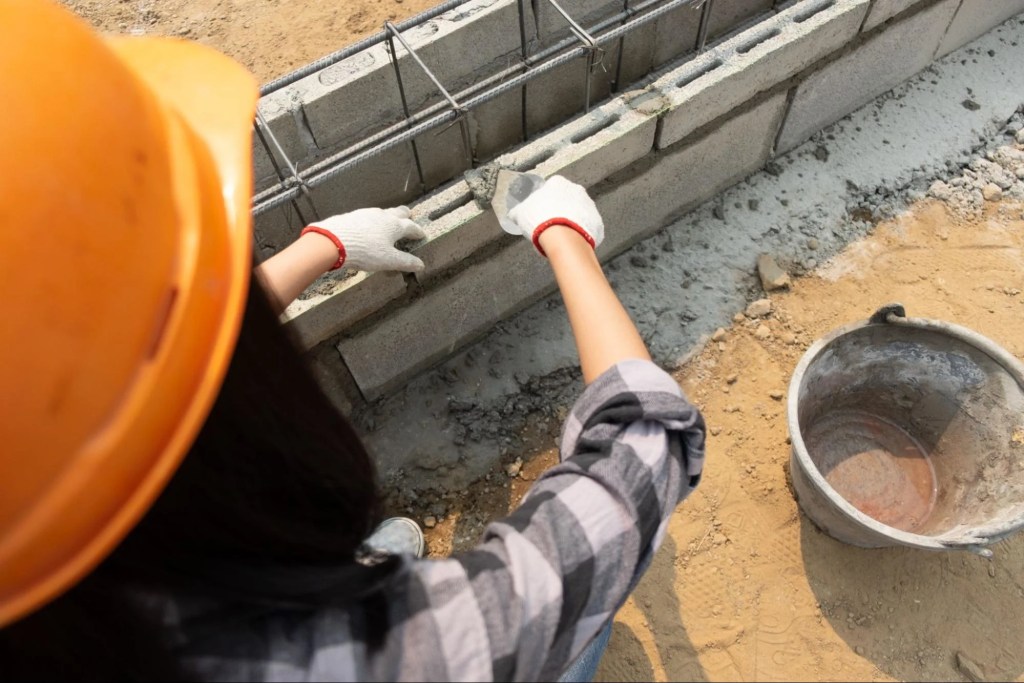
A slab-on-grade foundation is one of the simplest and most common foundations you’ll see in the Carolinas.
And it is exactly what it sounds like, a thick concrete slab poured directly on the ground, with the house built right on top of it. There’s no space underneath the home, no crawl space and no basement.
Homeowners like slab foundations because they’re straightforward and affordable. Also, since everything is poured at once, construction moves faster, helping keep costs further down.
Plus, in warm climates like the Carolinas where deep frost isn’t a major concern, slabs work perfectly fine.
Another big plus is moisture control. With no space under the house, there’s less chance for damp air, standing water, or pests to cause problems below the floor.
That said, slab foundations aren’t perfect for every situation.
Here are a few downsides of slab-on-grade foundations that you should know about:
- Plumbing lines are buried inside the concrete, which can make repairs more difficult
- Slabs don’t handle uneven or sloped land very well
- In areas with clay soil, ground movement can lead to cracking if the slab isn’t designed properly
In short: Slab foundations work well in central and coastal areas of the Carolinas, where land is flatter and conditions are right.
Don’t Let Site Conditions Delay Your Project
From geotechnical reports to environmental assessments, and more, our ACI-certified experts deliver the data and insights you need to stay on schedule.

2. Crawl space foundation
Among all types of home foundations, crawl space foundations are the most common in North and South Carolina. And for good reason.
With this foundation type, your home is raised slightly above the ground, creating a short space underneath, usually between 18 inches and a few feet high.
This space gives builders and homeowners a lot of flexibility. You can run plumbing, wiring, and ductwork all under your home.
Also, repairs and future changes are much easier here compared to a slab foundation.
And if there’s damp soil, the foundation keeps your house lifted above the ground. This is important in areas with high moisture levels.
Crawl spaces work especially well on lots that aren’t perfectly flat. If your property has a slight slope or rolling terrain, a crawl space can adapt much better than a slab.
Here’s why homeowners absolutely love crawl spaces foundations:
- It offers easy access to utilities
- It ensues better protection from ground moisture
- It works well with clay soils
- It handles uneven ground better
Note: Although geotechnical site investigation reports favor crawl space foundations in the Carolinas, you still need proper moisture control for this foundation to work well. Without good ventilation or encapsulation, crawl spaces can easily develop mold, odors, or wood damage.
3. Basement foundation
Basement foundations are less common in the Carolinas than in colder parts of the country. But you’ll still see them, especially in the western and foothill regions of North Carolina.
A basement foundation involves digging deeper and building full-height walls, creating usable space below the main living area.
One of the biggest reasons homeowners choose basements is the extra space.
Whether it’s storage, a workshop, or finished living space, a basement can significantly increase how much usable room a home has.
Also, it provides easy access to plumbing, electrical, and mechanical systems.
Here are some benefits of basement foundations:
- It offers extra living or storage space
- It increases your home value
- It offers easy access for maintenance and repairs
However, basement foundations are not always the best for the Carolinas
You see, basement foundations require careful drainage and waterproofing planning in this region. That’s because moisture and groundwater can be a challenge, especially in lower-lying areas or places with heavy rainfall.
Not to mention, the construction costs are also higher compared to other foundations.
This is why these foundations are common only in western North Carolina and you won’t see them a lot near the coast.
4. Pier and beam foundation
Pier and beam foundations support the home using a series of vertical piers made from concrete or masonry. Here, beams run across the tops of these piers, and the home’s floor system sits on the beams.
This foundation type is great for properties where the ground isn’t level. That’s because the pier and beam foundations easily adjust to slopes, uneven land, or areas with poor surface drainage; and the home stays elevated and even.
Homeowners like pier and beam foundations because they’re easier to repair or re-level if problems develop over time.
Also, since the home is raised, it stays above moisture and minor flooding, which can help protect the structure.
Here are some of the most common advantages of these types of foundations for homes:
- It works well on uneven or sloped lots
- It offers easier access to plumbing and wiring
- It can be adjusted or repaired more easily than slabs
On the downside, however, pier and beam foundations require regular inspections. Moisture, pests, and wood deterioration need to be managed carefully to keep the structure solid and stable.
You’ll often see pier and beam foundations in older homes, renovations, and flood-prone areas throughout the Carolinas.
5. Pile foundation
Pile foundations are used when the soil near the surface isn’t strong enough to safely support a home.
Here, instead of relying on shallow soil, long piles made of concrete, steel, or timber are driven deep into the ground until they reach firmer soil or rock.
This type of foundation is especially important in coastal areas, where sandy or loose soil is common.
Pile foundations help transfer the weight of the home down to stronger layers below, providing stability even in challenging conditions.
Here are some reasons why homeowners choose pile foundations:
- It offers excellent support in soft or sandy soil
- It is ideal for coastal and flood-prone areas
- It has strong resistance to settling and movement
But there are some downsides too
Pile foundations do come with higher costs. Plus, they require specialized equipment and engineering, and they’re typically custom-designed for the specific site conditions.
Nonetheless, pile foundations are very common near the Carolina coast and in areas where soil strength is a concern.
6. Mat or raft foundation
A mat or raft foundation is a large reinforced concrete slab that covers the entire footprint of the home.
Instead of supporting the structure at specific points, it spreads the weight evenly across the ground.
This type of foundation is often used when a plate load test detects weak or expansive soil, but deep foundations like piles aren’t practical or necessary.
Mat foundations help reduce uneven settling that can lead to cracks and structural problems by spreading the load.
Here’s why mat foundations work well for home:
- It distributes weight evenly across poor soil
- It helps control settlement issues
- It provides strong overall support
The downside?
This type of foundation in building uses more concrete and steel reinforcement, and it costs more than standard slab foundations. Also, it needs careful engineering to make sure they perform as intended.
7. Strip footing foundation
Strip footing foundations are continuous concrete footings placed under load-bearing walls. They’re often paired with crawl spaces or shallow foundation systems and are one of the most common building methods in residential construction.
This foundation type works best when soil conditions are fairly uniform and stable. Here, the footings help spread the weight of the walls evenly, reducing pressure on the soil below.
Here are some benefits of strip footing foundation:
- It is simple and cost-effective
- It follows a proven and reliable construction method
- It is commonly used in residential homes across North and South Carolina
But there’s one downside
Like any foundation, strip footings depend heavily on proper soil preparation. Poor compaction, drainage issues, or weak soil can cause settling problems if not addressed during construction.
8. Insulated concrete form or ICF foundation
ICF foundations are built using interlocking foam blocks that are stacked like Lego pieces and then filled with reinforced concrete. The foam stays in place, providing built-in insulation.
Homeowners who choose ICF foundations often do so for comfort and durability. That’s because these foundations are strong, energy-efficient, and offer excellent resistance to wind and storms, a big plus in hurricane-prone areas.
Here are some benefits of ICF foundations:
- They offer better energy efficiency
- They ensure strong resistance to severe weather
- They are also good for insulation
What about the downside, you might wonder?
The main drawback, however, is cost. ICF foundations usually cost more upfront and require contractors who are experienced with the system. Because of this, they’re still less common than traditional foundations.
Nevertheless, ICF foundations are becoming popular in parts of the Carolinas because they offer energy efficiency and storm resistance.
9. Elevated or stilt foundation
Elevated or stilt foundations raise homes well above ground level using tall piers or piles. This design is most commonly seen along the Carolina coastline and in flood-prone areas.
The main goal of an elevated foundation is protection. Here, the foundation lifts your home above potential floodwaters and storm surge, which helps reduce damage during major weather events.
Also, it improves airflow under the home, which is excellent for moisture control.
Here’s why Carolina homeowners choose elevated foundations:
- It offers protection from flooding and storm surge
- It ensures better airflow and moisture control
- It might be required by your building codes if you live on the coastline
But there are some downsides that you should be aware of
These foundations do come with higher construction costs and usually require structural engineering. Plus, you’ll need stairs or ramps for access, which is something you’ll need to plan for.
TL;DR, here are the most common types of foundations for homes in the Carolinas:
| Foundation Type | Best Used For | Why Homeowners Choose It |
| Slab-on-Grade | Flat land with stable soil | Affordable, fast to build, low maintenance |
| Crawl Space | Clay soil, uneven lots | Moisture control, easy access to utilities |
| Basement | Western & foothill regions | Extra space, added home value |
| Pier and Beam | Sloped or uneven land | Easier repairs, elevated above moisture |
| Pile Foundation | Coastal & weak soils | Strong support, flood resistance |
| Mat (Raft) | Poor or expansive soils | Even weight distribution |
| Strip Footing | Uniform soil conditions | Simple, reliable construction |
| ICF Foundation | Energy-efficient homes | Strong, quiet, storm-resistant |
| Elevated / Stilt | Coastal flood zones | Protection from flooding and storm surge |
How to choose the right type of foundation for your home?
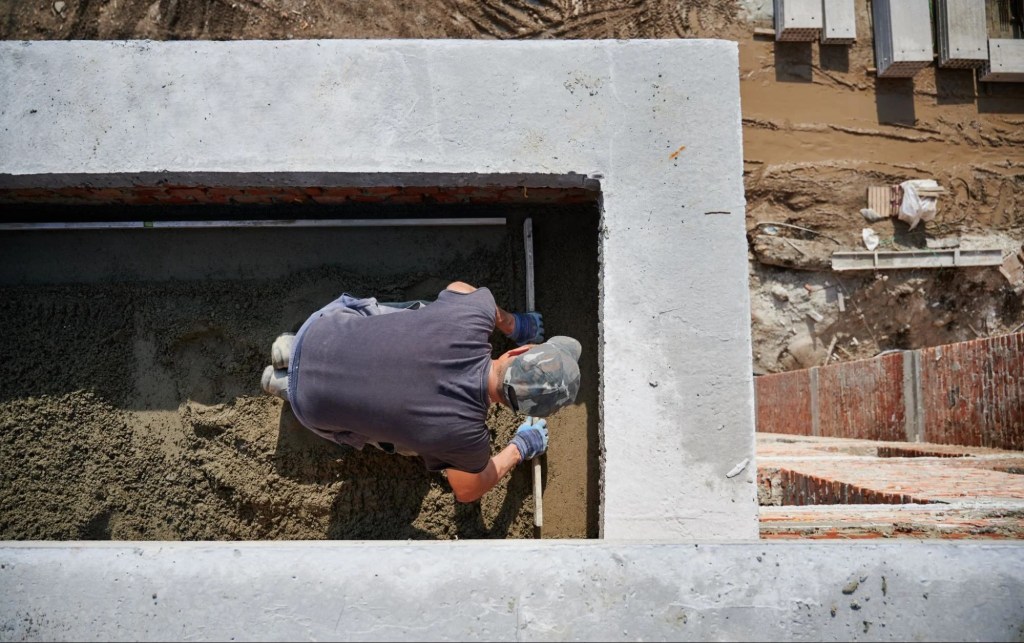
When it comes to choosing the right foundation, you need to understand what’s happening below your property and match the foundation to those conditions.
In the Carolinas, soil, water, and location can change dramatically from one lot to the next. And that’s why there’s no one perfect foundation for every home.
Here are a few things that you need to factor in when deciding the right foundation type for your home:
1. Check the soil type
Soil is the number one factor in foundation choice.
For instance, clay soil is very common in the Carolinas. And it expands when it gets wet and shrinks when it dries out.
This movement can stress a foundation. So, it is best to stick to crawl space or ICF foundation.
2. Factor in groundwater level
Groundwater is simply how close water sits below the ground surface.
If groundwater is high, it can put pressure on foundation walls and increase the risk of moisture problems. This is especially important to consider if you’re building crawl space or basement foundations.
3. Look for flood risks
Flood risk plays a major role in foundation selection, especially in coastal and low-lying areas.
For instance, if your property is in a flood zone, local codes might require your home to be elevated on piers or piles.
But even if local rules don’t specify a foundation type, it is best to stick to either piers or piles.
4. See what your local building codes say
Building codes are based on real risks in your area. And this also goes for the Carolinas.
Here, local codes account for soil conditions, wind loads, hurricanes, and flood hazards.
For instance, local codes might specify some extra requirements or restrictions on your foundation. And it is important you check these with your local building to ensure your home is safe, compliant, and insurable.
5. See what foundation fits your budget and home design
Your budget matters a lot. That’s because some foundations cost more upfront while others are more affordable.
So, do check with your engineer beforehand and see which foundation fits your budget.
This also goes for your home design. The size of the home, layout, and whether you want features like extra storage or elevation all influence foundation choice.
TL;DR, here are the factors that determine your home’s foundation type:
| Factor | Why It Matters |
| Soil Type | Determines strength and movement of the ground |
| Groundwater Level | Affects moisture and flooding risk |
| Flood Risk | May require elevation or deep foundations |
| Local Building Codes | Dictates what foundation types are allowed |
| Budget | Impacts material, labor, and long-term costs |
| Home Design | Influences foundation size, depth, and layout |
Don’t Let Site Conditions Delay Your Project
From geotechnical reports to environmental assessments, and more, our ACI-certified experts deliver the data and insights you need to stay on schedule.
Final words
By now, I am sure you know everything about the different types of home foundations. Also, you’d have got an idea about which foundation will suit your home based on your soil and weather conditions.
Not sure which foundation is right for your new home?
You can get in touch with us!
At NewTech Engineering, we are seasoned geotechnical engineers serving both North and South Carolinas for over three decades now.
Our ACI-certified engineers will test your soil using the highest industry standards and help you decide the best foundation for your home.
FAQs about types of foundations for homes
What is the best foundation type for homes in the Carolinas?
There isn’t one single best foundation for every home in the Carolinas. The right choice depends on soil conditions, location, moisture levels, and flood risk. For instance:
- Slab-on-grade works well in flat areas with stable soil.
- Crawl space foundations are extremely popular because they handle moisture better and allow easy access to plumbing.
- Pile or elevated foundations are often required in coastal and flood-prone areas.
A geotechnical report helps determine which foundation will perform best for your specific property.
Why are crawl space foundations so common in North and South Carolina?
Crawl spaces are popular in the Carolinas because they work well with the region’s clay soils, high moisture levels, and mild winters.
They:
- Lift the home above damp ground
- Protect framing from moisture
- Allow easy access to utilities
- Adapt well to uneven or sloped lots
When properly ventilated or encapsulated, crawl spaces perform very well in Carolina conditions.
Are slab foundations safe in clay soil?
Yes, slab foundations can work in clay soil, but only if they’re properly designed.
Clay soil expands when wet and shrinks when dry. If this movement isn’t accounted for, slabs can crack or shift. Engineers often recommend:
- Proper soil preparation
- Reinforced concrete
- Moisture control around the home
A soil compaction test is essential before choosing a slab in clay-heavy areas.
Do homes in the Carolinas need deep foundations?
Not always.
Most residential homes in the Carolinas use shallow foundations like slabs or crawl spaces.
However, deep foundations such as piles or piers may be needed if:
- Soil near the surface is weak
- The site is in a flood zone
- The home is near the coast
- The structure is heavily loaded
Deep foundations help transfer weight to stronger soil layers below.
Is a basement a good idea in the Carolinas?
Basements can work in parts of the Carolinas, especially in western and foothill regions where soil and drainage conditions are favorable.
That said, basements require:
- Excellent waterproofing
- Proper drainage systems
- Careful design to manage groundwater
In coastal or low-lying areas, basements are usually not recommended due to flooding risk.
What foundation type is best for coastal Carolina homes?
For coastal homes, elevated or pile foundations are often the best choice.
They:
- Protect the home from flooding and storm surge
- Reduce moisture-related damage
- Meet floodplain and hurricane building codes
Many coastal regulations actually require elevated foundations to improve safety and long-term durability.
Can the wrong foundation cause structural problems?
Yes, choosing the wrong foundation can lead to:
- Cracks in walls and floors
- Uneven settling
- Sticking doors and windows
- Water intrusion
- Costly repairs later
That’s why matching the foundation to the soil and site conditions is critical for long-term performance.
Kerry Cooper is the founder of New Tech Engineering, He brings over 20 years of hands-on experience in geotechnical investigation, soil analysis, and foundation design across residential, commercial, and infrastructure projects. Kerry leads a team focused on delivering data-driven insights that help builders and developers make smarter, safer decisions from the ground up.