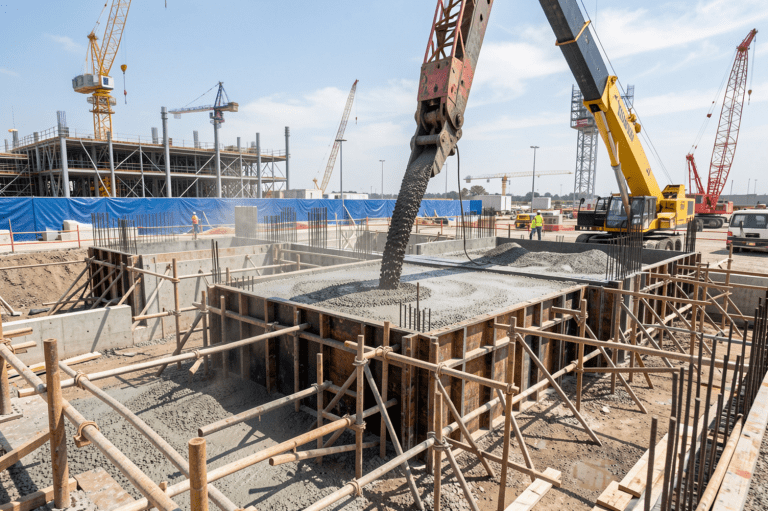

What Is Geotechnical Engineering? Everything You Need To Know

By Kerry Cooper
Founder & Lead Geotechnical Engineer

When it comes to planning a construction project, it is important you create a solid foundation. And this is where geotechnical engineering becomes critical.
This is essentially a field of engineering that specializes in soil, rock, and other earth materials.
Here, geotechnical engineers work behind the scenes of construction projects. They assess the ground beneath and make sure the foundations of buildings, roads, and even entire cities are strong enough to stand the test of time.
Also, they study the risks of natural hazards like earthquakes and landslides, and create strategies to mitigate these risks.
So, whether you’re designing a skyscraper, building a road, or constructing a wind farm, geotechnical engineering is essential to ensure your project has a fool-proof foundation.
In this blog, I will walk you through everything you’ll ever need to know about geotechnical engineering. You’ll learn:
- What is geotechnical engineering
- What is a geotechnical engineer
- What are the different types of geotechnical engineering projects
- What does a geotechnical engineer do at your project site
By the end, you’ll know all about geotechnical engineering services and what you can expect.
So, let’s get started.
Key takeaways
- Geotechnical engineers ensure safe, stable, and durable foundations for construction projects.
- They assess soil, rock, and groundwater to design appropriate foundations.
- Their expertise helps mitigate risks like landslides, sinkholes, and earthquakes.
- Geotechnical engineers are involved in a wide range of projects, from residential buildings to offshore platforms.
- Early consultation with a geotechnical engineer saves costs and prevents future complications.
What is geotechnical engineering?
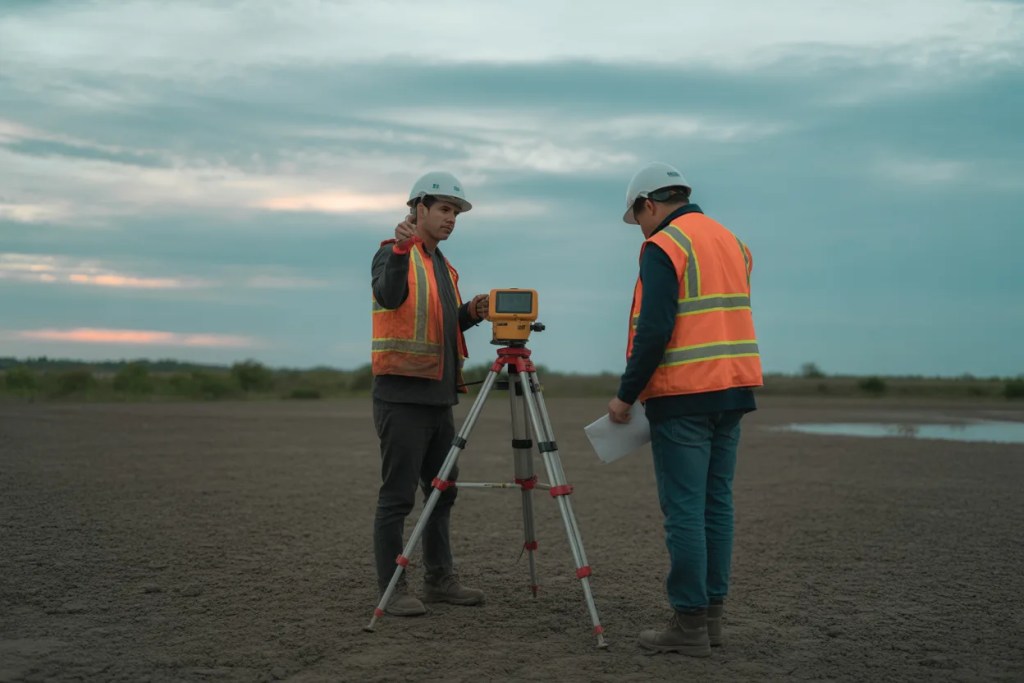
Geotechnical engineering is a branch of civil engineering that focuses on understanding earth materials like soil and rock.
In simple words, it’s all about ensuring that your structure, whether it’s a building, bridge, or road, has a solid and stable foundation.
Geotechnical engineers assess the ground beneath a site to understand how it will interact with whatever is built on top of it. Their job is to make sure that the soil or rock can support your structure and that it remains safe, stable, and durable over time.
Without proper geotechnical analysis, even the best-designed structures could be at risk of foundation failure, settling, or other costly and dangerous issues.
Don’t Let Site Conditions Delay Your Project
From geotechnical reports to environmental assessments, and more, our ACI-certified experts deliver the data and insights you need to stay on schedule.

What’s involved in geotechnical engineering?
Geotechnical engineers don’t just work with dirt and rocks. Instead, they use a combination of important scientific knowledge to assess the ground and make informed decisions about foundation design, risk management, and ground improvement.
Here’s a quick look at the different principles of geotechnical engineering applied to construction projects like yours:
- Soil and rock mechanics: This is the study of how soil and rock behave under pressure. Engineers look at how these materials will respond to loads (like a building’s weight) and changes in the environment (like moisture or temperature).
- Geology: Geotechnical engineers need to understand the local geology of your site. This helps them identify potential hazards like landslides, sinkholes, or other natural risks.
- Hydrology: Water can affect the stability of your site. Engineers study how groundwater and rainwater moves through the ground so they can design systems to manage it and avoid issues like flooding or erosion.
- Geophysics: This involves using scientific methods to check underground conditions without having to physically dig or drill. Here, techniques like seismic testing or ground-penetrating radar are used to get insights about the soil or rock below your site.
In short, here are the different principles of geotechnical engineering:
| Principle | Description |
| Soil and Rock Mechanics | Studies how soil and rock behave under pressure, load (e.g., building weight), and environmental changes (e.g., moisture, temperature). |
| Geology | Understands the local geology to identify potential hazards like landslides, sinkholes, or other natural risks. |
| Hydrology | Analyzes how groundwater and rainwater move through the soil to design systems for flood and erosion control. |
| Geophysics | Uses scientific methods like seismic testing or ground-penetrating radar to examine underground conditions without digging. |
Why does this matter to you?
For construction and infrastructure projects, every detail counts, especially when it comes to the groundwork. And it is here that a geotechnical consulting company helps you prevent costly mistakes.
They do so by:
- Identifying and solving ground-related problems early on
- Designing safe foundations tailored to the soil and rock conditions
- Managing environmental risks that could impact the stability of your project
What is a geotechnical engineer?

A geotechnical engineer is a professional who focuses on things like soil, rock, and groundwater and their impact on construction projects. They assess how these materials will impact the stability and safety of buildings, bridges, roads, and other infrastructure.
To do this, they conduct site investigations, study soil and rock samples, and design foundations.
In plain terms, geotechnical engineers ensure that the structures built are safe, durable, and well-supported.
What do geotechnical engineers do?
Geotechnical engineers play a crucial role in the safety and stability of your construction project.
Whether you’re building a residential complex, a bridge, or an offshore platform, their expertise ensures that your project is built on a solid foundation.
Here’s what geotechnical engineers do:
1. Site appraisals
Geotechnical engineers assess your site before any project begins. They conduct investigations, analyze soil and rock samples, and identify any potential geohazards (like landslides, sinkholes, or weak soil).
Also, they see how the ground behaves under different conditions and how it might impact the future structure.
This process is vital for understanding any risks that could lead to costly delays or safety concerns down the line.
2. Foundation Designs
Once the site is assessed, the next step is to design the foundation. This is one of the most important aspects of any construction project.
Geotechnical engineers make sure that the soil can support the weight of the structure you’re building. They calculate load-bearing capacities, make decisions about foundation depth, and design everything to ensure long-term stability.
3. Risk mitigation
Natural disasters or geohazards (like earthquakes, landslides, or sinkholes) can be a major concern for any construction project.
Geotechnical engineers assess these risks and come up with practical solutions to mitigate potential threats.
They design safety systems like retaining walls or soil reinforcement to ensure your project remains secure.
4. Soil stabilization
Sometimes, the ground itself needs some help.
Geo engineers are experts in soil stabilization, a process that strengthens weak or loose soil to prevent erosion, collapse, or movement.
And they use techniques like compaction, chemical stabilization, and geosynthetics to ensure the ground stays solid and secure throughout the life of the structure.
5. Onshore and offshore projects
Geotechnical engineers don’t just work on land, they’re also experts in offshore construction.
Be it designing foundations for oil platforms, wind turbine structures, or subsea pipelines, their role spans both onshore and offshore projects.
Geotechnical engineers have the knowledge and tools to overcome offshore construction hurdles and deliver safe and stable solutions.
In short, here’s what geotechnical engineers do:
| Activity | Description |
| Site Appraisals | Assess the site, investigate soil/rock conditions, and identify risks like geohazards (e.g., landslides). |
| Foundation Designs | Design foundations based on soil behavior, ensuring stability and load-bearing capacity. |
| Risk Mitigation | Mitigate natural disaster risks by designing safety systems (e.g., retaining walls, soil reinforcement). |
| Soil Stabilization | Strengthen weak soils using methods like compaction, chemical stabilization, and geosynthetics. |
| Onshore/Offshore Projects | Design stable foundations for both onshore and offshore constructions (e.g., oil platforms, wind turbines). |
What are the different types of geotechnical engineering?
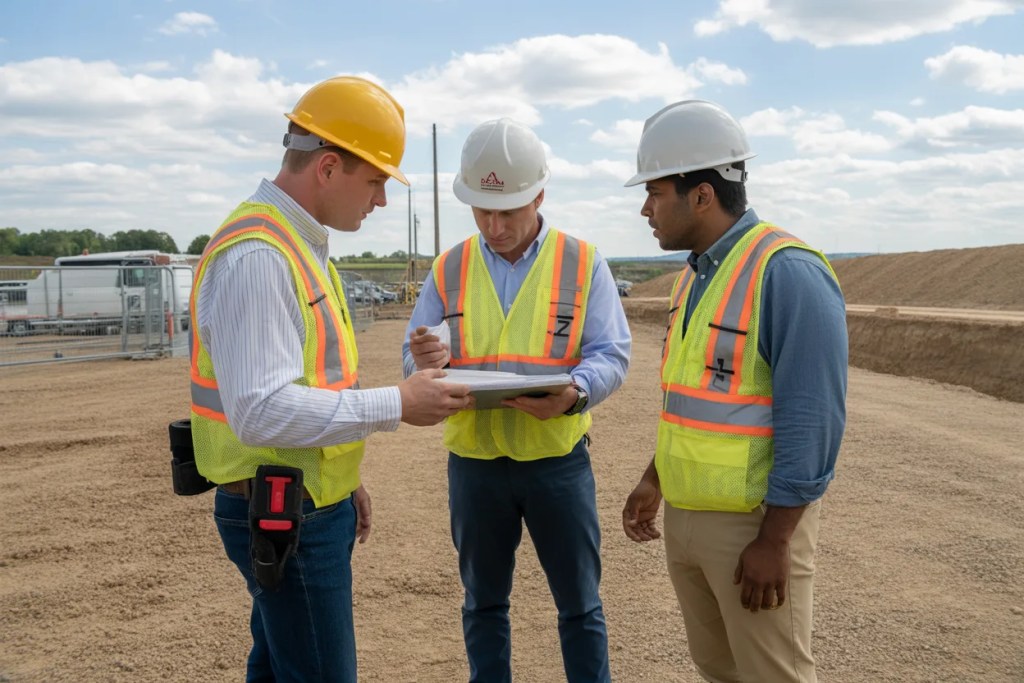
Geotechnical engineering isn’t a one-size-fits-all field. Instead, there are different areas of expertise that geotechnical engineers focus on, each addressing unique challenges in construction.
Here are some common geotech engineering types:
1. Soil mechanics
Soil mechanics is all about getting to know the soil at your project site.
Geotechnical engineers study the physical and chemical properties of soil, like its strength, density, and drainage capabilities. This ensures that the soil can support the structures being built.
2. Rock mechanics
When your project involves rock formations (like building tunnels, dams, or foundations on rocky ground), rock mechanics come into play.
Geotechnical engineers analyze how rocks behave under pressure, including how they break, shift, or resist stress. This knowledge helps them understand how rocks can be used in construction or reinforced for safety.
3. Foundation engineering
Foundation engineering combines soil mechanics, rock mechanics, and structural engineering.
This is all about designing foundations that can carry the weight and loads of structures without compromising safety or stability. From deep foundations to shallow ones, foundation engineers decide how to make the ground beneath your structure strong enough to hold up the entire building.
In short, here are the different types of geotechnical engineering:
| Type | Focus |
| Soil Mechanics | Study of soil’s physical and chemical properties to ensure its ability to support construction. |
| Rock Mechanics | Analyzing rock properties for projects like tunnels, dams, or rocky foundation sites. |
| Foundation Engineering | Designing foundations that can carry the weight of structures without compromising safety or stability. |
What are the most common geotechnical engineering projects?

Geotechnical engineers work on a variety of construction projects, each requiring specific expertise in ground materials, soil behavior, and stability.
Here are some of the most common types of projects they handle:
1. Earthworks
Earthworks involve modifying the land to prepare for construction. This can include everything from embankments, tunnels, to retaining walls that hold back soil or prevent erosion.
2. Foundations
Every building, from homes to skyscrapers, needs a solid foundation. Geotech engineers design foundations that are tailored to the specific conditions of your site, including soil strength, moisture content, or the potential for settling over time.
3. Slope stability
Slope stability is a major concern when working on sloped or hilly terrain. Geotechnical engineers assess the stability of slopes, embankments, and hillsides to ensure they won’t shift, erode, or collapse.
4. Offshore engineering
Offshore engineering involves geotechnical work in challenging environments like oceans and seas. This includes designing foundations for structures like oil rigs, wind turbines, and subsea pipelines.
These projects require specialized knowledge due to the added complexity of water depth, tides, and environmental factors.
In short, here are the common geotechnical engineering projects:
| Project Type | Description |
| Earthworks | Modifying land for construction, such as embankments, tunnels, and retaining walls. |
| Foundations | Designing foundations tailored to the soil conditions, ensuring stability for buildings and structures. |
| Slope Stability | Assessing and preventing slope movements, especially in hilly or unstable terrain. |
| Offshore Engineering | Designing foundations for offshore structures like oil rigs, wind turbines, or subsea pipelines. |
Don’t Let Site Conditions Delay Your Project
From geotechnical reports to environmental assessments, and more, our ACI-certified experts deliver the data and insights you need to stay on schedule.
Conclusion
By now, I am sure you know what is geotechnical engineering and why it is crucial for your construction project.
You see, geotech engineers are at the heart of ensuring the safety, stability, and long-term success of any project. They assess soil and rock conditions, design safe and effective foundations, and mitigate risks such as landslides, sinkholes, or earthquakes.
So, whether you’re developing a commercial building, a highway, or offshore infrastructure, a geotechnical solution is essential.
Got more questions or want geotechnical solutions for your project?
You can get in touch with us!
At New Tech Engineering, we provide field-tested expertise that you can count on. With over 850 projects successfully completed, we’ve built a reputation for delivering reliable geotechnical support.
From Piedmont clays to coastal sands, our engineers have the hands-on experience and local knowledge to deliver accurate data.
Simply put, we’ve got all your geotechnical engg needs covered.
Frequently asked questions about geotechnical engineering
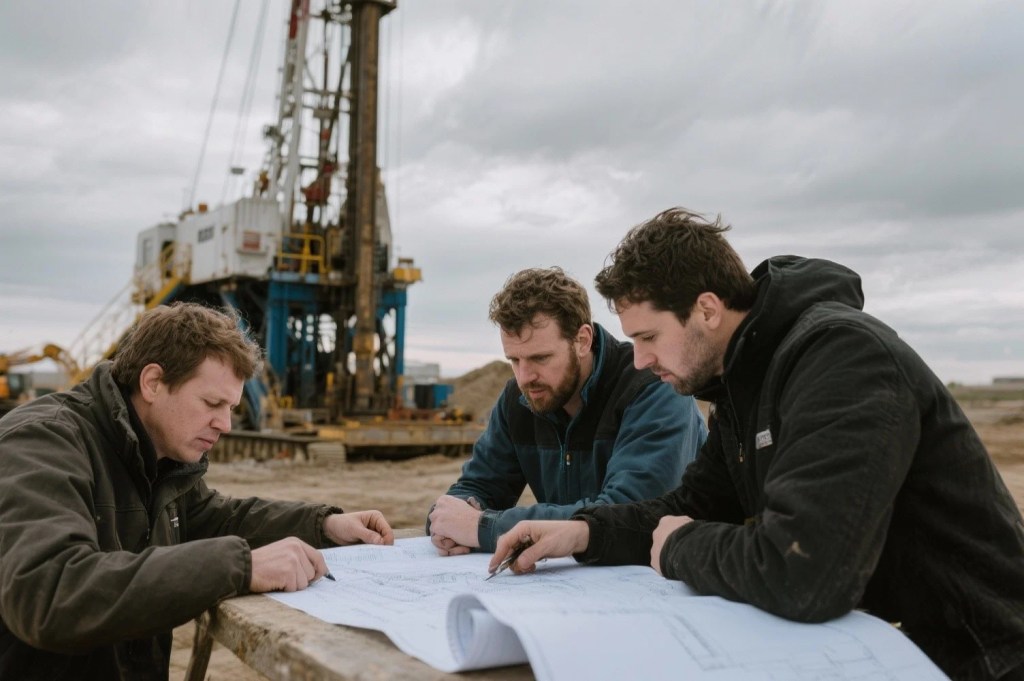
Why do I need a geotechnical engineer for my project?
A geotechnical engineer assesses the ground conditions before any construction begins. They help ensure that your project is built on a solid foundation by studying soil and rock properties, identifying potential risks, and designing foundations that can safely support your structure.
Without their expertise, you could face costly delays, structural issues, or even safety hazards down the line.
What types of projects require a geotechnical engineer?
Geotechnical engineers are involved in a wide range of projects, including:
- Residential and Commercial Buildings: To ensure that the foundation can support the structure safely.
- Infrastructure Projects: Roads, highways, bridges, tunnels, and railways.
- Offshore Construction: Oil platforms, wind turbines, subsea pipelines.
- Environmental Projects: Flood prevention systems, dams, and landfills.
In short, any project that involves significant earthworks, soil interaction, or structural load-bearing will require a geotechnical engineer.
How do I know if my project needs geotechnical services?
If your project involves building anything that interacts with the ground, whether it’s digging foundations, roads, or even underground tunnels, you’ll likely need a geotechnical engineer.
If you’re unsure, it’s always a good idea to consult with one early in the planning process to avoid complications later.
What is the process for working with a geotechnical engineer?
Working with a geotechnical engineer typically follows these steps:
- Site Appraisal: The geotechnical engineer evaluates your site by conducting soil tests and investigations.
- Data Analysis: The engineer analyzes the collected data to assess soil conditions, rock properties, and potential risks.
- Design and Recommendations: Based on their analysis, the engineer will design foundations, earthworks, and other necessary structures, providing detailed reports and recommendations.
- Construction Support: During construction, they ensure that the design is being followed and that the project stays on track with regular inspections and testing.
- Ongoing Monitoring: After construction, geotechnical engineers may monitor soil stability and environmental conditions to ensure long-term safety.
How much does it cost to hire a geotechnical engineer?
The cost of hiring a geotechnical engineer can vary depending on the size and scope of your project, as well as the complexity of the soil testing and analysis required.
Smaller projects might start at a few thousand dollars, while large-scale infrastructure or offshore projects may cost significantly more.
Read my blog on geotechnical survey report cost for a detailed price breakdown.
How do I know if a geotechnical engineer is qualified?
Look for engineers who have the right certifications and experience. For instance, the company you work with should employ ACI-certified technicians and follow ASTM, SCDOT, and industry-specific protocols.
Also, experienced geotechnical engineers should have a background in soil mechanics, geology, and structural engineering.
Will I need a geotechnical engineer for an offshore project?
Yes, offshore projects like oil platforms, wind turbines, and subsea pipelines require a geotechnical engineer due to the unique challenges of marine environments.
These projects involve more complex soil conditions, potential environmental risks, and the need for specialized foundations.
Geotechnical engineers ensure that these structures are safe, stable, and able to withstand harsh conditions.
Can geotechnical engineers help with environmental concerns like groundwater pollution?
Yes, geotechnical engineers are trained to assess environmental concerns related to soil and groundwater.
This can include evaluating the risk of contamination, assessing flood risks, and designing systems to protect against environmental hazards.
Kerry Cooper is the founder of New Tech Engineering, He brings over 20 years of hands-on experience in geotechnical investigation, soil analysis, and foundation design across residential, commercial, and infrastructure projects. Kerry leads a team focused on delivering data-driven insights that help builders and developers make smarter, safer decisions from the ground up.