

What Is High Strength Concrete And How Is It Different From Normal Concrete?

By Kerry Cooper
Founder & Lead Geotechnical Engineer
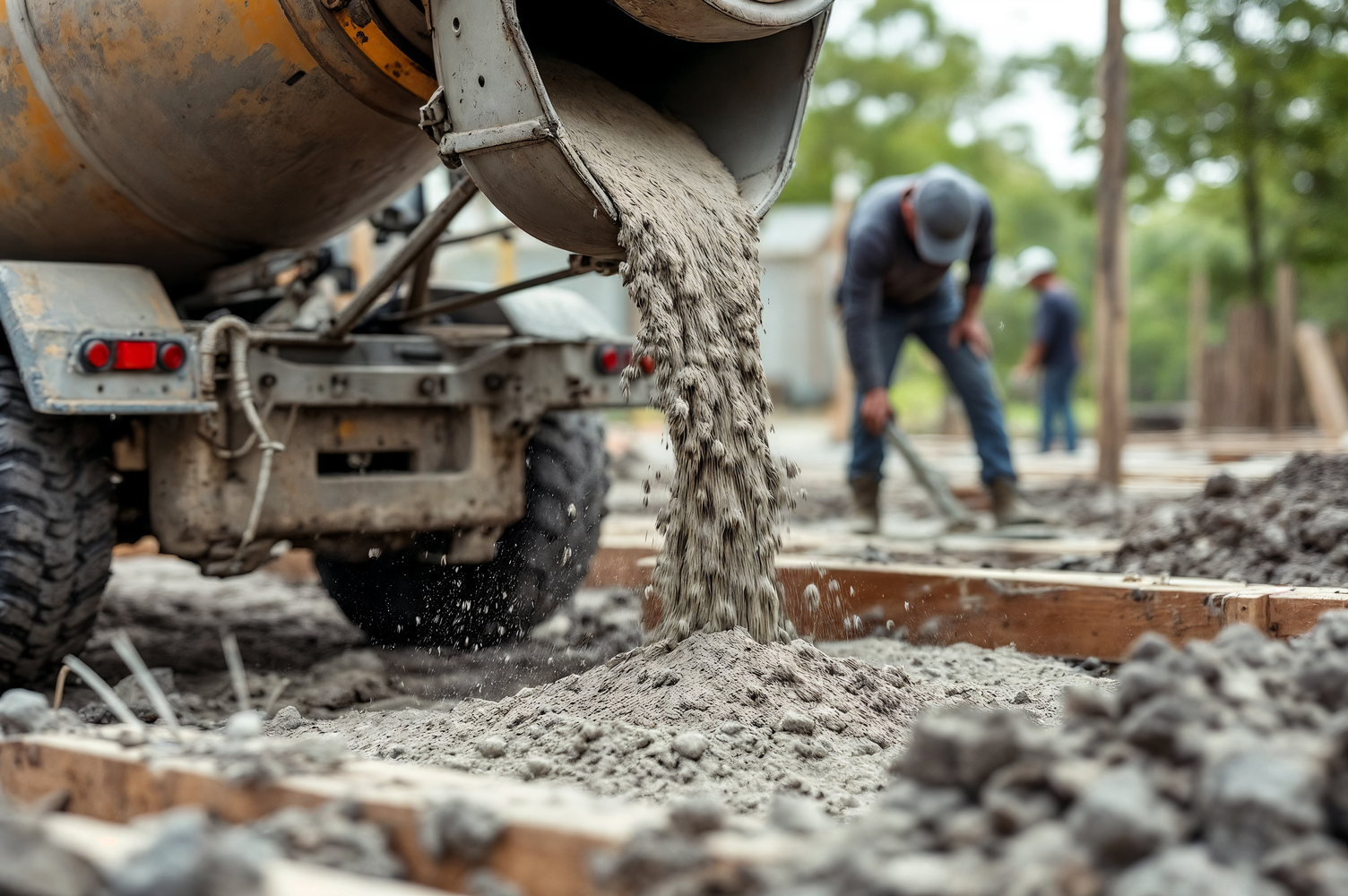
Concrete looks and feels the same everywhere. But not all concrete is the same.
You see, while your regular projects like sidewalks, driveways, or small home foundations use standard concrete, there’s a limit to using this.
After all, you can’t use this concrete to construct high-rise buildings, bridges, or coastal structures.
These are the kind of structures that bear a lot of load and need something much stronger like a special high strength concrete. It looks exactly like your regular concrete, but its actual strength is known only during concrete PSI testing.
In this blog, I will explain what is high strength concrete mix, how it is different from normal concrete, and why engineers choose it for big projects.
So, let’s get started.
Key takeaways
- High-strength concrete starts at 6,000 psi, while normal concrete is 3,000-4,000 psi.
- Stronger concrete allows smaller columns and thinner slabs.
- It’s denser, more durable, and resists water and harsh environments.
- Special additives make high strength concrete workable even with less water.
- It requires strict quality control and skilled placement.
- It is not always better, and standard concrete works for most homes and light projects.
- High strength concrete is used in high-rises, bridges, coastal areas, and heavy foundations.
What is high strength concrete?
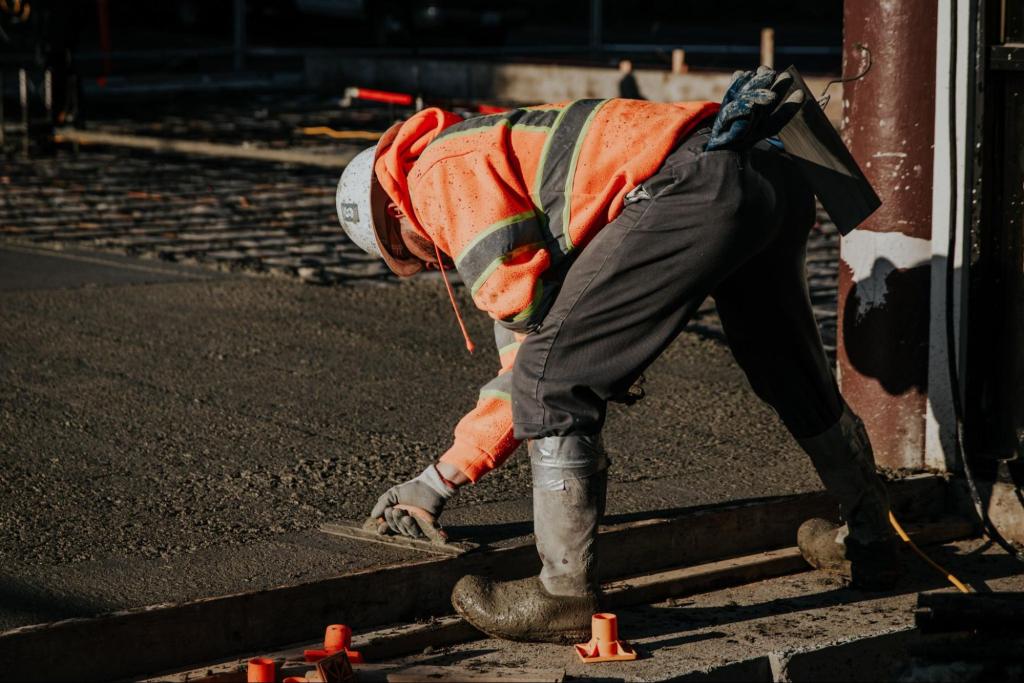
High strength concrete is exactly what it sounds like, it’s concrete that’s been designed to handle much heavier loads than the concrete most people are familiar with.
You see, while all concrete looks similar, their overall strength can vary a lot.
For instance, in everyday construction, normal concrete usually has a compressive strength between 3,000 and 4,000 PSI. That’s more than enough for many sidewalks, driveways, and residential foundations.
However, high-strength concrete starts at around 6,000 PSI and can reach 10,000 PSI or even higher during concrete testing.
But why does it matter so much?
Well, this extra strength allows engineers to support heavier buildings, reduce the size of columns and foundations, and design structures that perform better under stress. Also, it helps concrete hold up longer in tough environments, like areas with heavy traffic, extreme weather, or constant moisture.
And it is for these reasons that this concrete mix is carefully designed, tested, and controlled for reliable performance where standard concrete is simply not enough.
Don’t Let Site Conditions Delay Your Project
From geotechnical reports to environmental assessments, and more, our ACI-certified experts deliver the data and insights you need to stay on schedule.

How is high strength concrete different from normal concrete?
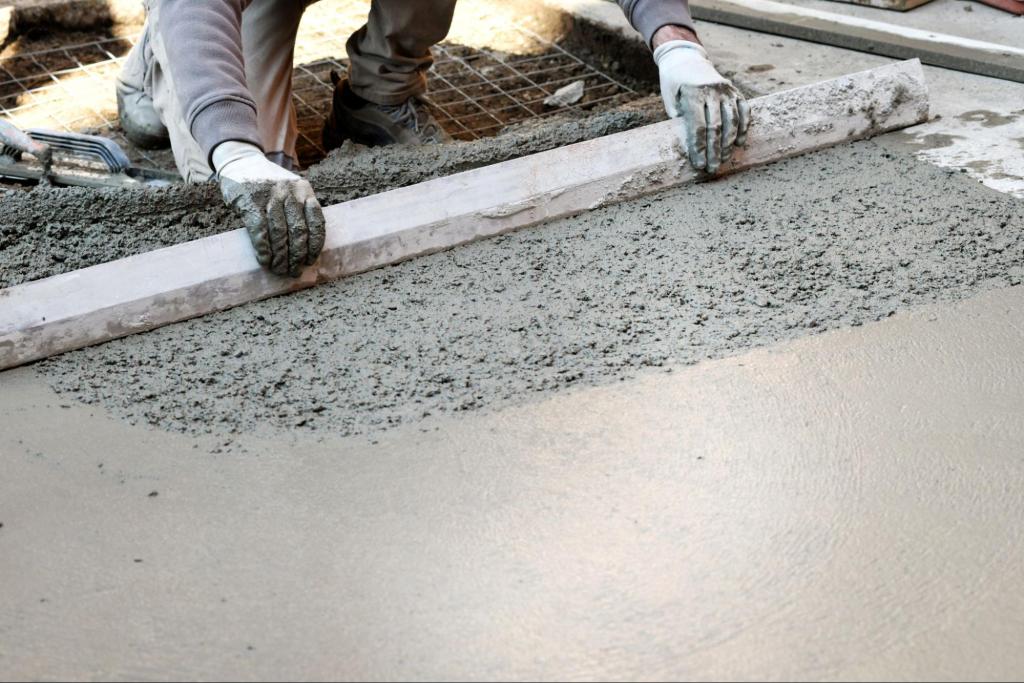
The real difference between high strength and normal concrete is how they’re made and how carefully they’re controlled.
For instance, normal concrete is designed to be easy to mix, place, and finish.
But, high strength concrete is designed to perform under much heavier loads and tougher conditions. And to make this happen, every part of the mix, from water to materials to testing, is prepared with much more planning and precision.
All in all, here’s how a high strength concrete mixture is different from normal concrete:
1. Lower water-cement ratio
Water is necessary to mix concrete, but too much water creates tiny pores as the concrete hardens. And these pores weaken the final product.
This is why high strength concrete uses less water, which results in a denser and stronger material once it cures. It ensures there are fewer weak spots and better long-term performance.
2. Better materials
High strength concrete mix is made with higher-quality ingredients. This often includes premium cement, carefully selected aggregates, and supplementary materials like fly ash, slag, or silica fume.
These materials help the particles pack together more tightly, leaving fewer gaps inside the concrete. Fewer gaps mean higher strength and better durability over time.
3. Special admixtures
Since this concrete mix has low water content, it can turn out to be stiff and hard during the concrete slump testing stage.
Now, to get rid of stiffness, engineers use special chemical admixtures called superplasticizers. These additives improve flow and workability without adding extra water.
This means you can place and finish the concrete properly while still maintaining high strength.
4. Tighter quality control
High strength concrete leaves little room for error. That’s because there is precise batching, close temperature monitoring, proper curing, and frequent strength testing.
After all, small mistakes that might not matter in normal concrete can significantly affect high strength mixes.
TL;DR, here are all the differences between normal and high strength concrete
| Feature | Normal Concrete | High-Strength Concrete |
| Compressive Strength | 3,000-4,000 psi | 6,000-10,000+ psi |
| Water-Cement Ratio | Higher | Lower |
| Materials | Standard cement and aggregates | High-quality cement, fly ash, slag, silica fume |
| Additives | Usually none | Superplasticizers for workability |
| Durability | Good for everyday projects | Better for harsh environments |
| Cost | Lower | Higher upfront |
| Testing | Standard compressive strength testing | Strict monitoring, more precise testing |
| Placement | Easier | Needs skilled placement |
Where is high strength concrete commonly used?
High strength concrete is typically used on projects where normal concrete simply isn’t enough.
These are structures that carry heavy loads, face harsh environmental conditions, or need to last for decades with minimal maintenance. Here, the extra strength and durability provide both safety and long-term value.
Overall, common applications of high strength concrete include:
- High rise buildings, where columns and cores must support massive vertical loads
- Bridges and flyovers, which experience constant traffic and vibration
- Parking structures, where durability and load capacity are critical
- Industrial floors, especially in facilities with heavy equipment
- Marine and coastal construction, where salt and moisture are constant threats
- Heavily loaded foundations, particularly for large commercial or industrial buildings
In the Carolinas, high-strength concrete is commonly used on sites with poor or variable soil conditions, where stronger concrete helps maintain stability and reduce long-term settlement issues. Also, properties with coastal exposure, high winds, and hurricane risk use this concrete mix.
What are the advantages of using high strength concrete?
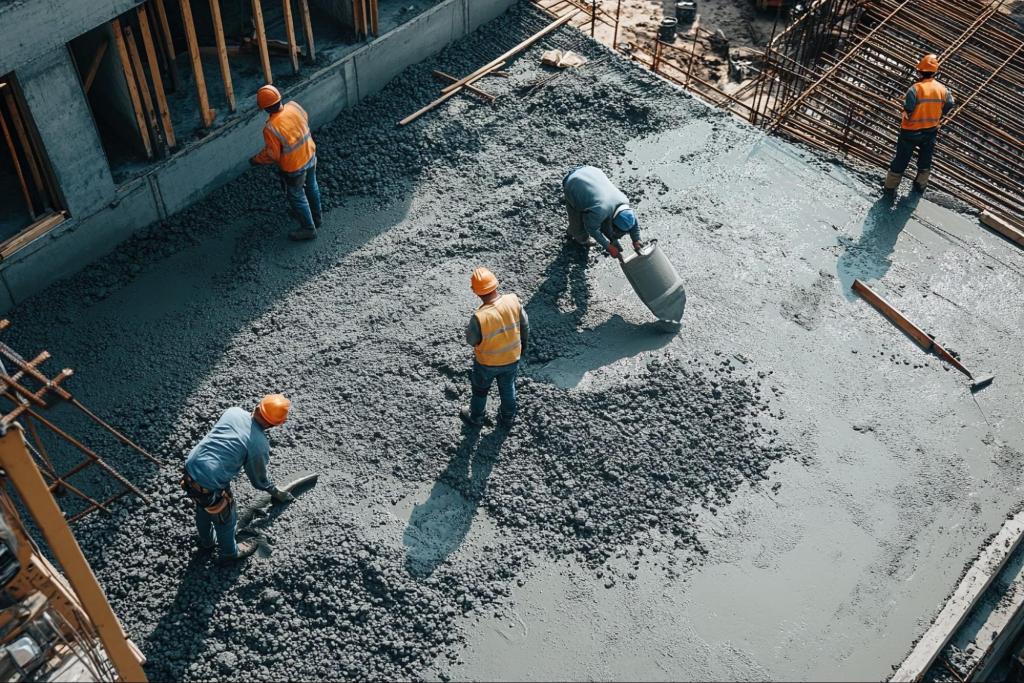
High strength concrete isn’t the right choice for every project. But when your structure needs extra performance, it does offer some clear advantages.
The biggest benefit is efficiency. You can make a structure sturdy without making it bigger, thicker, or heavier just by using stronger concrete.
This means you can design smarter and make the structure more durable.
Overall, here are all the advantages of using high strength concrete mixture:
1. Higher load capacity
High strength concrete can support much more weight than normal concrete. This is especially important for buildings, bridges, and structures that carry heavy loads day after day.
Here, instead of increasing the size of foundations or columns, engineers rely on the concrete’s strength to do the work. This results in safer structures without unnecessary bulk.
2. Smaller structural elements
Since the concrete is stronger, structural elements don’t need to be as large. This allows for:
- Thinner slabs
- Smaller columns
- More open and usable interior space
In many projects, this extra space translates to better layouts, easier construction, and improved functionality, especially in commercial and high-rise buildings.
3. Better durability
High strength concrete is denser, which helps it resist water penetration and environmental damage.
It performs better in freeze-thaw conditions and holds up well in harsh environments like coastal or industrial areas. And it calls for fewer repairs and less maintenance in the long run.
4. Longer service life
With less cracking and lower permeability, high-strength concrete tends to last longer. And when properly designed and cured, it maintains its performance for decades, making it a smart investment for bigger or higher-load structures.
TL;DR, here are all the advantages of using high strength concrete:
| Advantage | Explanation |
| Supports more weight | Can carry heavy loads without bigger columns or foundations |
| Smaller structural elements | Thinner slabs and smaller columns save space |
| Improved durability | Resists water, weather, and industrial environments |
| Longer service life | Less cracking, better performance for decades |
| Smart design | Reduces material waste and allows more efficient layouts |
Is high strength concrete always better?
Not always.
You see, a high strength concrete offers the strongest mix, but it isn’t the right solution for every project.
That’s because it costs more, requires experienced crews to place it properly, and demands strict testing and quality control. In fact, if you don’t follow these steps, you’ll lose the benefits of this concrete.
For many homes, sidewalks, and light commercial structures, normal concrete performs just fine and does the job safely.
So, using high-strength concrete in these cases can add unnecessary cost without any real benefit.
I always suggest you decide whether or not to use high strength concrete based on the geotechnical investigation report from your site.
Bonus: Here are some common myths about high strength concrete that you should know
| Myth | Reality |
| Just add more cement to make it stronger | More cement alone can cause cracks, shrinkage, and durability problems |
| High strength means high durability | Strength helps, but proper mix, curing, and exposure conditions are key |
Don’t Let Site Conditions Delay Your Project
From geotechnical reports to environmental assessments, and more, our ACI-certified experts deliver the data and insights you need to stay on schedule.
Final words
By now, I am sure you know exactly what is high strength concrete and how it is different from regular concrete.
High strength concrete isn’t about using the strongest material possible. It involves making smart decisions that match the real needs of a project.
Use it the right way and it can improve safety, increase durability, and help your structure perform better for decades.
Got more questions or want to get your concrete tested?
You can get in touch with us!
At NewTech Engineering, we are seasoned concretion materials testing experts with decades of hands-on expertise working on the Carolinas. And we’ve got all your field testing needs covered on a budget.
FAQs about high strength concrete
What PSI is considered high strength concrete?
High strength concrete typically starts at 6,000 PSI and can exceed 10,000 PSI, depending on the application and design requirements.
Is high strength concrete more expensive?
Yes, the upfront cost is higher due to materials and quality control.
However, it can reduce overall project costs by ensuring smaller foundations and longer service life.
Can high strength concrete be used for homes?
Yes,but only where needed.
Most residential projects don’t require it unless there are heavy loads, poor soil conditions, or design constraints.
Does high strength concrete crack less?
Yes, but only if:
- Proper curing is done
- Shrinkage is controlled
- Mix design is balanced
Poor handling can still lead to cracking.
Kerry Cooper is the founder of New Tech Engineering, He brings over 20 years of hands-on experience in geotechnical investigation, soil analysis, and foundation design across residential, commercial, and infrastructure projects. Kerry leads a team focused on delivering data-driven insights that help builders and developers make smarter, safer decisions from the ground up.


