


What Is Sodic Soil And How Does It Impact Construction?

By Kerry Cooper
Founder & Lead Geotechnical Engineer
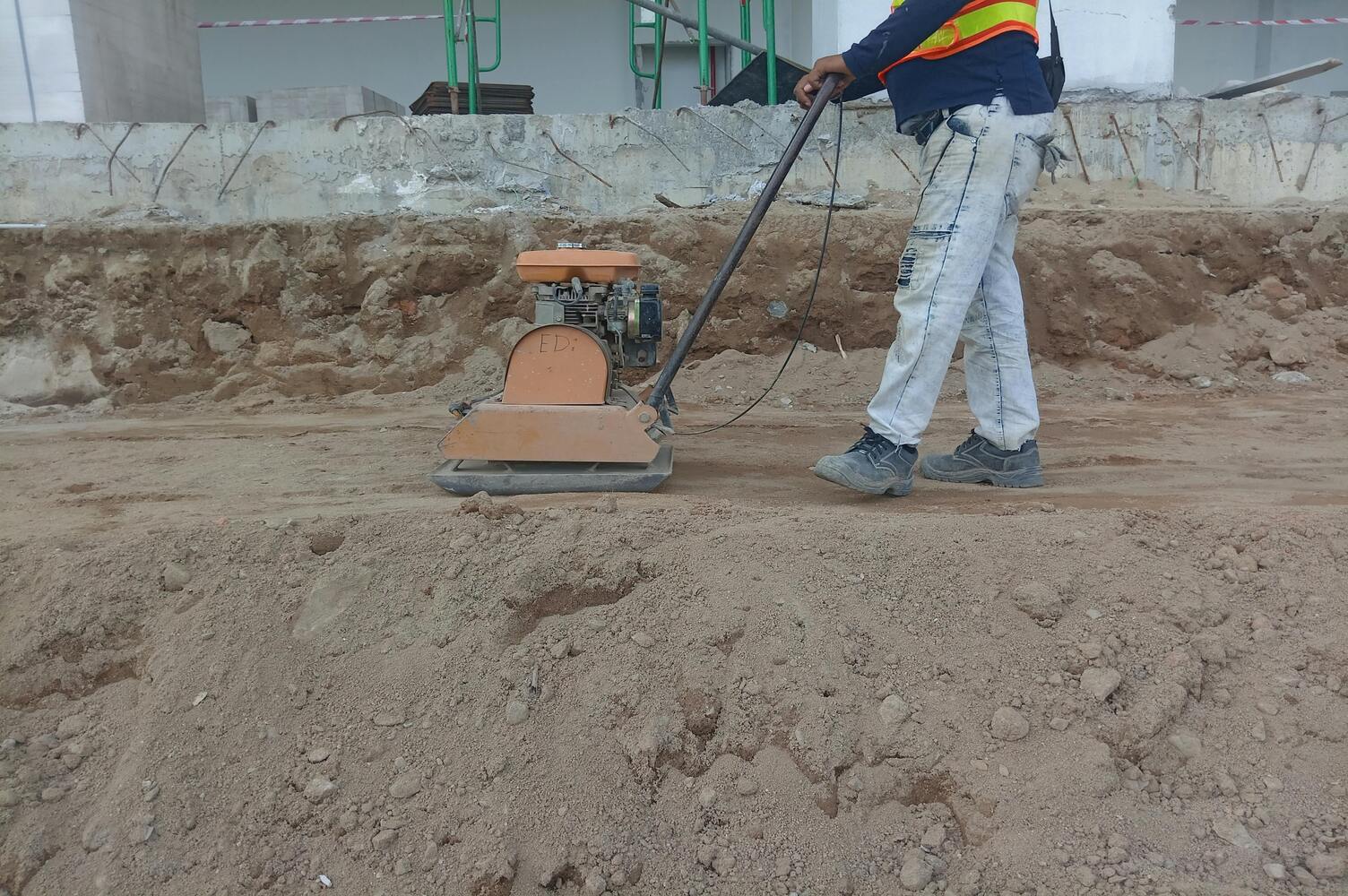
Have you ever noticed soil that turns extremely hard when dry, but becomes sticky and unstable after rain?
At first, it might just look like poor-quality dirt. But underneath, the soil could actually have a chemical imbalance that can create serious problems for construction.
And one of the biggest culprits behind this is sodic soil.
Now, a lot of contractors and property owners have never even heard this term before. In fact, many people only find sodic soil after they start dealing with issues like:
- Cracking pavements
- Drainage problems
- Shifting foundations
- Unstable subgrades
- Or excessive ground movement
As a geotechnical consultant in the Carolinas, I have seen how problematic soil conditions like this can affect both existing and new construction.
But here’s the thing: Sodic soil does not automatically mean a site is not fit for construction. It all depends on whether the soil has been properly identified, tested, and managed before construction begins.
In this blog, I will explain it all. You’ll know:
- What is sodic soil
- What causes it
- The characteristics of sodic soil
- How it affects construction projects
And a lot more.
So, let’s get into it.
Key takeaways
- Sodic soil contains excessive sodium that weakens soil structure.
- Sodic soils often drain poorly and become unstable when wet.
- Dry sodic soil can become extremely hard and compact.
- Soil movement and shrink-swell behavior can damage foundations.
- Sodic soil is different from saline soil.
- Proper soil testing helps identify sodicity problems early.
- Construction on sodic soil is possible with proper site preparation.
So, what is sodic soil exactly?
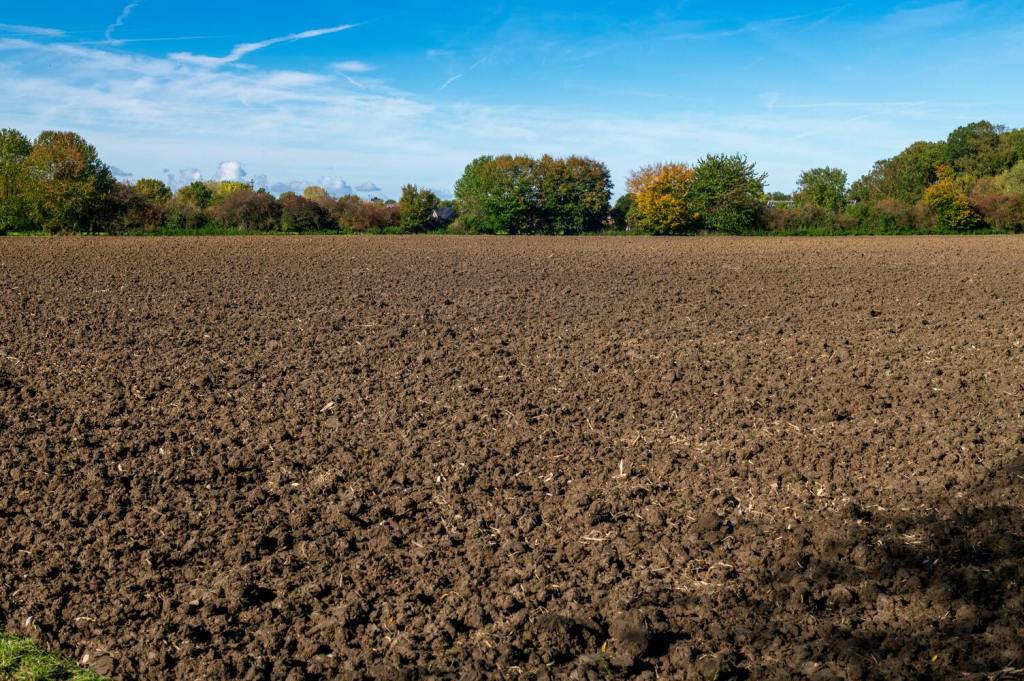
To put it simply, sodic soil is soil that contains too much sodium compared to other natural minerals like calcium and magnesium.
This excess sodium causes the soil particles to separate and disperse instead of staying bonded together in stable clumps. And this is what creates problems.
You see, healthy soil contains particles that group together to allow:
- Water to drain properly
- Air to move through the soil
- And the ground to stay relatively stable
But in sodic soil, sodium weakens those natural bonds. As a result, the soil structure starts collapsing.
This creates soil that:
- Drains very slowly
- Becomes muddy and sticky when wet
- Hardens severely when dry
- And loses strength under loading
In geotechnical terms, this process is called soil dispersion. And it means the soil starts falling apart internally when moisture is introduced.
Don’t Let Site Conditions Delay Your Project
From geotechnical reports to environmental assessments, and more, our ACI-certified experts deliver the data and insights you need to stay on schedule.

What is soil sodicity?
Soil sodicity simply means the amount of sodium affecting the soil. Here, the higher the sodium imbalance becomes, the more unstable the soil structure gets.
Engineers measure sodicity using laboratory soil testing methods like:
- Exchangeable Sodium Percentage (ESP)
- Sodium Adsorption Ratio (SAR)
These tests help determine whether sodium levels are high enough to negatively impact soil performance.
Now, if you are a property owner, you need not memorize these technical terms.
You should simply understand this: When sodium dominates the soil, the ground becomes weaker, less stable, and far more sensitive to water. And for construction projects, this can become a serious concern if ignored.
What are the characteristics of sodic soil?
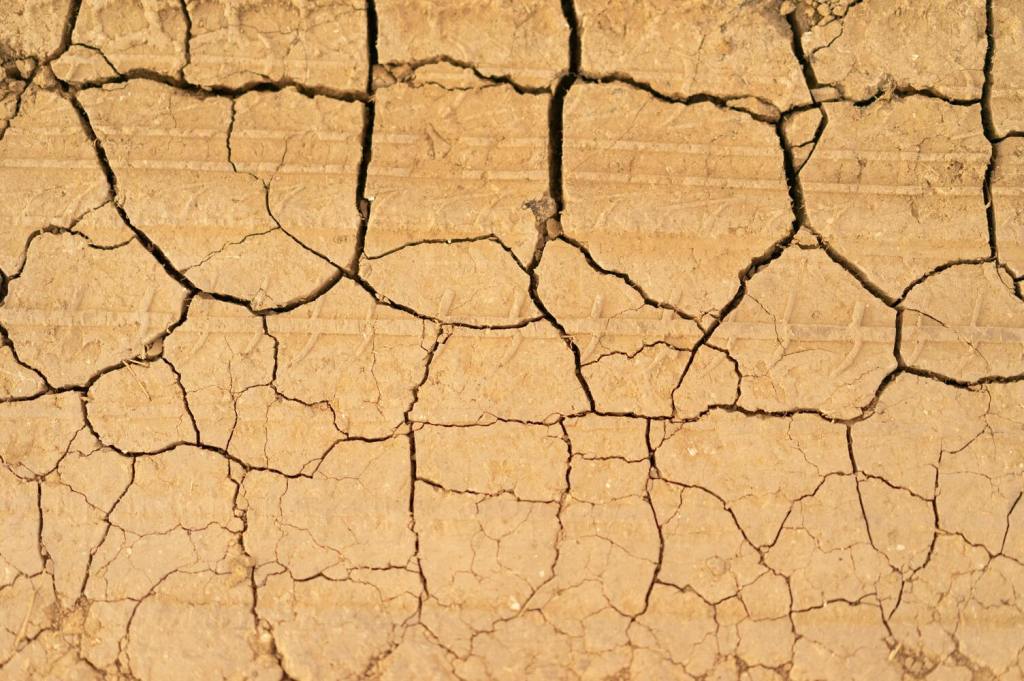
One of the biggest characteristics of sodic soils is that they behave very differently depending on moisture conditions.
At one point, the soil might feel extremely hard and compact. Then after rain, the exact same soil can suddenly become soft, sticky, and unstable.
Here are some of the most common characteristics of sodic soils that engineers look for:
1. Poor drainage
Sodic soils often have very low permeability. This means water struggles to move through the soil properly.
So, instead of draining downward, moisture tends to sit near the surface or collect around structures.
This leads to standing water, muddy site conditions, erosion problems and long-term moisture instability.
In construction, poor drainage is a major problem because saturated soil usually loses strength. And weaker soil means weaker support for foundations and pavement systems.
2. Hard crusting when dry
One of the classic signs of sodic soil is how hard it becomes after drying out.
For instance, the surface can form a dense crust that feels almost concrete-like in severe cases. And this happens because dispersed soil particles pack tightly together once moisture evaporates.
As a result excavation becomes harder, landscaping struggles, and surface cracking often develops.
In fact, in some areas, sodic soils can become extremely difficult to work with during dry weather.
3. Soil dispersion
This is one of the biggest engineering concerns.
Remember earlier when we talked about sodium weakening soil structure?
This is where that problem shows up physically.
You see, when water enters sodic soil, the particles can separate and disperse instead of remaining stable.
And once dispersion starts happening, the soil becomes weaker, more erodible, and less capable of supporting loads consistently.
This is one reason why untreated sodic soils sometimes contribute to pavement failures and subgrade instability.
4. Shrink-swell movement
Many sodic soils also contain reactive clay minerals. This means the soil expands when wet and shrinks when dry.
Over time, this repeated movement can place stress on:
- Foundations
- Slabs
- Retaining walls
- Driveways
- And underground utilities
This is what is called shrink-swell movement, and it is especially true for the Carolinas, where changing moisture conditions can already create movement in clay-heavy soils.
In short, here are the common characteristics of sodic soil
| Characteristic | What Happens |
| Poor drainage | Water moves slowly through the soil |
| Sticky when wet | Soil loses strength during wet conditions |
| Hard when dry | Surface becomes dense and compact |
| Soil dispersion | Soil particles break apart |
| Shrink-swell movement | Ground expands and contracts with moisture |
| Surface crusting | Hard crust forms after drying |
What causes sodic soil to form?
There is never just one reason for sodic soil to develop. In most cases, it forms slowly over time due to a combination of climate, groundwater conditions, soil chemistry, and drainage patterns.
And once sodium starts building up in the soil, the problem can continue getting worse if moisture movement is poor.
Let’s look at some of the most common causes of sodic soil formation:
1. Natural soil chemistry
Some soils naturally contain higher sodium levels because of the parent material they formed from thousands of years ago.
As rocks and minerals break down over time, sodium can accumulate in the soil profile. This is especially common in clay-heavy soils, arid and semi-arid regions, and areas with poor natural drainage.
Meaning, in many cases, sodic soils are completely natural and not caused by construction activity at all.
2. Poor drainage conditions
Drainage plays a huge role in soil health. That’s because when water cannot move through the soil properly, sodium tends to remain trapped instead of being flushed deeper into the ground.
Over time, this buildup increases soil sodicity. This is one reason low-lying areas often experience more soil chemistry problems.
And once the drainage cycle becomes poor, the soil structure can continue deteriorating.
3. High sodium groundwater
In some regions, groundwater naturally contains elevated sodium levels. And as water rises through the soil and evaporates near the surface, sodium can remain behind.
This process gradually changes the soil chemistry over time.
And unfortunately, the effects of it might not become obvious until construction begins disturbing the site.
4. Irrigation and water quality problems
This issue is more common in agriculture, but it can also affect landscaped developments and large commercial properties.
You see, if irrigation water contains excessive sodium, repeated watering slowly changes the soil chemistry.
Eventually, the sodium starts replacing beneficial minerals like calcium and magnesium within the soil structure. And once that balance shifts too far, sodic behavior starts appearing.
In short, here are the causes for formation of sodic soil:
| Cause | What Happens |
| Natural soil chemistry | Sodium builds up naturally |
| Poor drainage | Sodium remains trapped |
| High sodium groundwater | Sodium accumulates over time |
| Irrigation issues | Water slowly changes soil chemistry |
What is the difference between saline and sodic soil?
You might have heard the terms saline soil and sodic soil used interchangeably. In fact, one of the biggest points of confusion for property owners.
But let me tell you they are not the same thing.
Here’s the main difference between sodic and saline soil you should know about:
Saline soil
Saline soil contains excessive soluble salts. These salts might include calcium, magnesium, potassium, sodium salts, and chlorides.
Now, saline soils can absolutely create problems, especially for vegetation and corrosion. But saline soil does not always destroy soil structure the same way sodic soil does.
In many cases, saline soil still maintains decent particle stability.
Sodic soil
Sodic soil specifically involves excessive sodium attached to soil particles. And this sodium directly damages the soil structure itself.
That’s why sodic soils often become dispersive, unstable, poorly draining, and structurally weak.
In other words salinity is mostly a salt concentration issue while sodicity is a soil structure issue.
And while the two can occur together, they create different engineering issues.
So, what is saline sodic soil?
Now here’s where things get a little more complicated.
Sometimes soil contains both high salt levels and high sodium levels. This is called saline sodic soil.
At first, saline sodic soils might actually appear somewhat stable because the salts temporarily help hold the soil particles together.
But once rainfall or drainage gradually removes those salts, the remaining sodium can cause rapid soil dispersion. And that’s where long-term stability problems often begin.
This is one reason why some construction sites seem stable initially, but later develop:
- Settlement issues
- Drainage failures
- Cracking
- Or pavement distress
In short, here’s the difference between saline and sodic soil:
| Soil Type | Main Problem | Effect On Soil Structure |
| Saline Soil | Excess soluble salts | Structure might remain stable |
| Sodic Soil | Excess sodium | Soil structure breaks down |
| Saline Sodic Soil | Both salts and sodium | Stability might worsen over time |
Why is sodic soil a problem for construction?

Sodic soil is a problem for construction because once construction starts, unstable soil behavior can directly affect the performance of the structure above it.
And the tricky part is that many problems develop slowly over time.
At first, everything may appear perfectly fine. But underneath the surface, moisture movement and soil instability might already be creating long-term issues.
Overall, here are the reasons why sodic soil is problematic for construction:
1. It can cause foundation movement
One of the biggest risks with sodic soils is uneven movement beneath foundations.
This is mainly caused by the shrink-swell behavior of sodic soil. Here, when moisture levels constantly change, the soil expands during wet periods, shrinks during dry periods, and loses strength during saturation.
Over time, this movement places stress on foundations and slabs. This can eventually lead to cracking concrete, uneven settlement, sticking doors and windows, and interior wall cracking.
And in worst cases, the foundation itself might require stabilization work.
2. It can lead to pavement and roadway failures
Sodic soil can be especially problematic when under roads, driveways, and parking lots. That’s because dispersed soil loses strength under loading.
Once moisture enters the subgrade, the pavement system might begin experiencing rutting, cracking, surface deformation, and premature deterioration.
This is one reason geotechnical testing is so important before roadway construction.
If sodic conditions are identified early, engineers can design proper stabilization methods before paving begins.
3. Drainage and erosion problems
Poor drainage is already one of the defining characteristics of sodic soil. But during construction, that problem often becomes amplified.
Here, water might begin pooling near structures, saturating subgrades, weakening retaining areas, and eroding exposed surfaces
This is especially true for dispersive sodic soils that are vulnerable to erosion because the soil particles separate so easily when water flows across them. And once erosion channels begin forming, site stability can decline quickly.
4. Excavation and site preparation challenges
Sodic soil can also make construction work itself more difficult. That because sodicity caused soil compaction, making it hard, dense, and difficult to excavate.
Then after rainfall, the same material might suddenly become sticky, unstable, muddy, and difficult for heavy equipment to work on.
This inconsistency increases grading difficulties, compaction problems, and project delay, especially during wet weather conditions.
In short, here’s why sodic soil is a problem for construction:
| Construction Area | Possible Problem |
| Foundations | Movement and cracking |
| Pavements | Rutting and failure |
| Drainage systems | Water pooling |
| Excavation | Difficult site work |
Can you build safely on sodic soil?
Yes, absolutely.
You see, finding sodic soil on a site does not automatically mean construction has to stop. In fact, a lot of successful projects are built on problematic soils every year.
What really matters here is proper identification and preparation. That’s because once engineers understand how the soil behaves, they can design solutions to improve stability and reduce long-term movement.
Now, the exact approach of your engineer will depend on:
- How severe the sodicity is
- The type of structure being built
- Moisture conditions
- And the overall site design
But in many cases, sodic soil can be managed successfully.
Bonus: Here are common ways sodic soil is stabilized for construction
| Treatment Method | Purpose |
| Gypsum or calcium treatment | Helps improve soil structure |
| Drainage improvements | Reduces moisture-related movement |
| Soil replacement | Removes unstable material |
| Lime or cement stabilization | Improves strength and compaction |
| Moisture control systems | Limits shrink-swell behavior |
Don’t Let Site Conditions Delay Your Project
From geotechnical reports to environmental assessments, and more, our ACI-certified experts deliver the data and insights you need to stay on schedule.
Final words
Sodic soil might not be something most property owners think about initially. But under a construction site, soil chemistry plays a much bigger role than you might realize.
Here, excess sodium can weaken the soil structure, reduce drainage, increase shrink-swell movement, and create long-term instability beneath foundations, pavements, and other structures.
Thankfully, sodic soil does not automatically make a site unbuildable. In most cases, the problem can be managed successfully with proper testing, drainage planning, and soil stabilization techniques.
Got more questions or need professional soil testing services?
You can get in touch with us.
At NewTech Engineering, we provide geotechnical and soil testing services backed by decades of hands-on experience throughout the Carolinas.
Our engineers help property owners, developers, and contractors understand challenging soil conditions before they turn into costly construction problems.
FAQs about sodic soil
What is sodic soil?
Sodic soil is soil that contains too much sodium compared to other natural minerals like calcium and magnesium.
This excess sodium weakens the soil structure and causes the particles to separate when exposed to water.
As a result, sodic soils often drain poorly, become unstable when wet, and harden significantly when dry.
What are sodic soils commonly known for?
The most common characteristics of sodic soil include:
- Poor drainage
- Surface crusting
- Shrink-swell movement
- Soil dispersion
- And unstable behavior during wet conditions
These soils can become very hard during dry weather and extremely soft after rainfall.
What is soil sodicity?
Soil sodicity refers to the amount of sodium affecting the soil structure.
When sodium levels become too high, the soil particles lose stability and begin dispersing.
Engineers often measure sodicity using tests like Exchangeable Sodium Percentage (ESP) and Sodium Adsorption Ratio (SAR).
What is the difference between saline and sodic soil?
Saline soil contains high levels of soluble salts, while sodic soil specifically contains excessive sodium attached to soil particles.
The biggest difference is that sodic soil damages the soil structure itself.
Saline soils might still remain relatively stable, but sodic soils often become weak, dispersive, and poorly draining.
What is saline sodic soil?
Saline sodic soil contains both high salt levels and high sodium levels.
At first, the salts may temporarily help stabilize the soil structure. But as rainfall or drainage removes those salts over time, the remaining sodium can begin causing severe soil dispersion and instability.
Why is sodic soil bad for construction?
Sodic soil can create several construction problems because it changes strength and volume with moisture conditions.
This can lead to:
- Foundation movement
- Pavement cracking
- Erosion
- Drainage issues
- And unstable subgrades
Without proper treatment, long-term structural performance might suffer.
Can sodic soil be stabilized?
Yes.
Sodic soil can be improved using:
- Gypsum or calcium treatment
- Drainage improvements
- Moisture control
- Lime stabilization
- Or soil replacement methods
The best solution depends on how severe the soil conditions are and what type of construction is planned.
Kerry Cooper is the founder of New Tech Engineering, He brings over 20 years of hands-on experience in geotechnical investigation, soil analysis, and foundation design across residential, commercial, and infrastructure projects. Kerry leads a team focused on delivering data-driven insights that help builders and developers make smarter, safer decisions from the ground up.


