
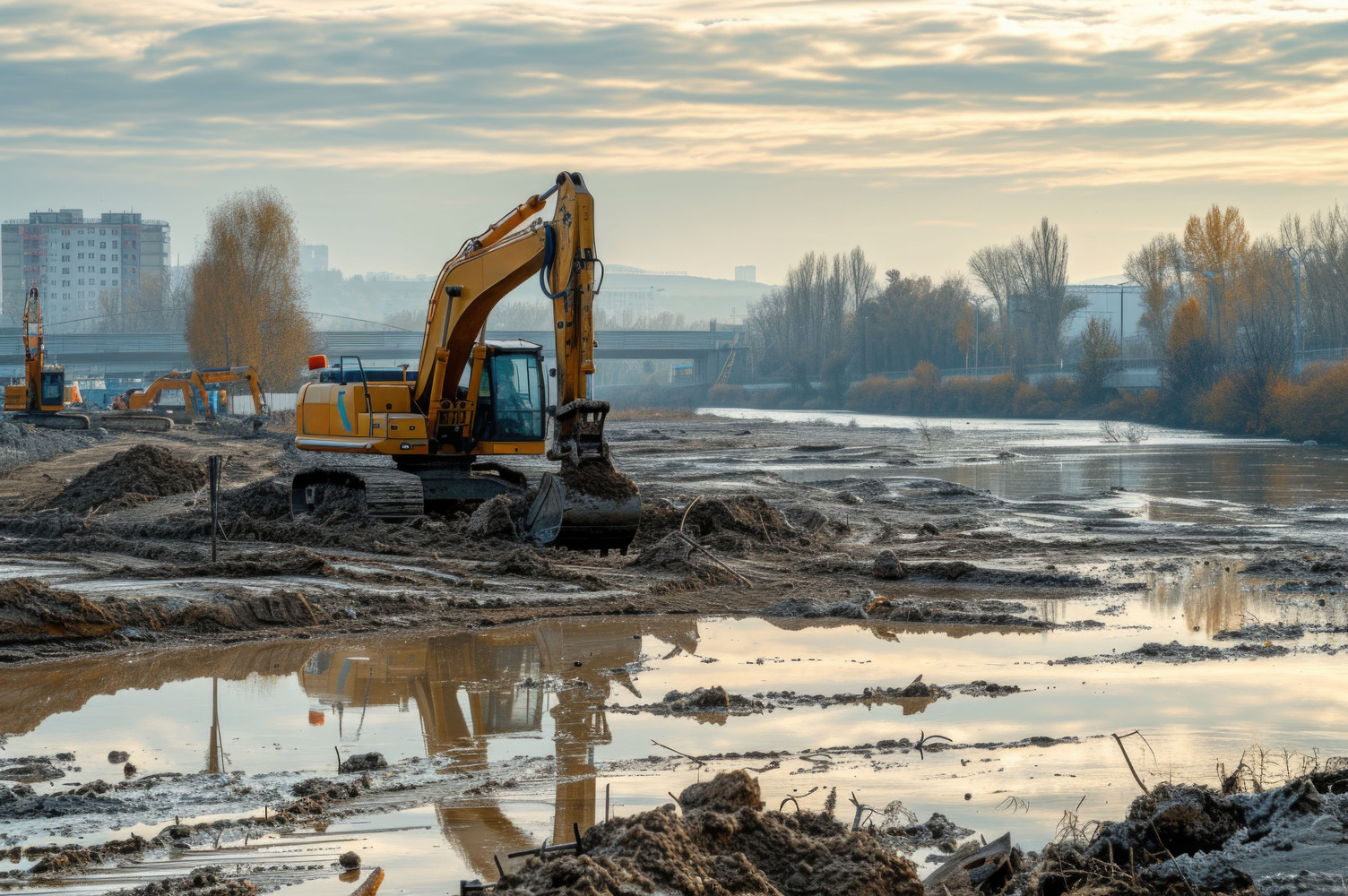
What Are The Risks Of High Water Table For Construction Projects?

By Kerry Cooper
Founder & Lead Geotechnical Engineer
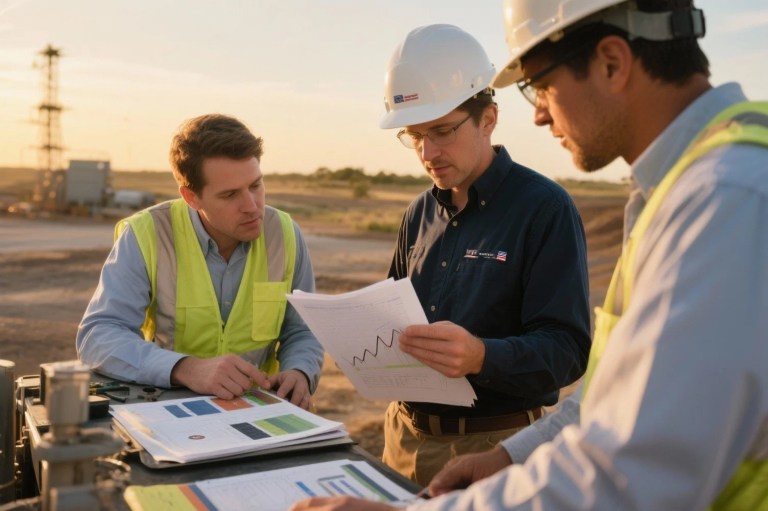
Did you know that groundwater levels are one of the most important things engineers need to find before any construction work can start at your site?
Yes, that’s right!
You see, a construction site can appear perfectly dry and stable. But groundwater could be sitting only a few feet below the surface.
And this can create a long list of challenges during construction. For instance, excavations can fill with water, foundations might need re-design considerations, and soil can lose strength. A
All of these can increase construction costs significantly.
This is exactly why detecting high water table is essential before construction.
Now, if you’ve never heard about the construction risks of high groundwater tables, I have explained it all in this blog.
So, read on to know:
- What a high water table is
- Common signs of high groundwater
- How groundwater affects construction projects
- How to manage groundwater-related challenges during construction
Key takeaways
- A high water table simply means groundwater is very close to the surface.
- High groundwater conditions can affect excavation, foundations, drainage, and soil stability.
- Common signs of a high water table include wet soil, standing water, and basement moisture problems.
- High groundwater can reduce soil strength and increase construction complexity.
- Engineers do check groundwater conditions during geotechnical investigations.
- Detecting groundwater conditions early helps reduce costly construction delays.
What is a high water table exactly?

For starters, a water table is the underground level where soil becomes fully saturated with water.
Above the water table, soil contains both air and moisture. But below the water table, the spaces between soil particles are completely filled with groundwater.
Now, a high water table simply means that groundwater is very close to the ground surface. In some locations, this can be as close as just a few feet below grade.
However, the exact depth often depends on factors such as:
- Local geology
- Seasonal rainfall
- Nearby rivers, lakes, or wetlands
- Drainage conditions
- Groundwater recharge patterns
Also, the closer groundwater is to the surface, the more likely it becomes a challenge during construction.
This is exactly why groundwater conditions are one of the first things geotechnical consultants evaluate during a site inspection.
Don’t Let Site Conditions Delay Your Project
From geotechnical reports to environmental assessments, and more, our ACI-certified experts deliver the data and insights you need to stay on schedule.

What are the signs of a high water table?
One of the biggest misconceptions property owners have is that higher groundwater always has visible signs.
But that’s not necessarily true. In fact, a higher water table can remain hidden until excavation begins.
Nevertheless, a lot of construction sites do show warning signs long before construction starts.
Here are some of the most common indicators that you should look out for:
1. Standing water after rainfall
After a storm, most sites should gradually drain and dry out. But if water remains on the surface for long, it could indicate that groundwater is already sitting close to the surface.
You see, when the water table is high, the soil has less capacity to absorb additional water. As a result, water tends to pond on the surface rather than drain away efficiently.
2. Constantly wet or soggy soil
Some sites seem to stay wet no matter how long it’s been since the last rainfall. You might notice soft ground, muddy areas, or sections of the property that never fully dry out.
Now, this doesn’t automatically mean the site has a high water table. Poor surface drainage can also create similar conditions.
But persistent wetness is something engineers investigate during geotechnical evaluations.
3. Water entering excavations
Contractors often have to deal with groundwater intrusion when they begin digging.
A trench might appear dry initially. But as excavation continues, groundwater starts seeping into the bottom of the excavation.
This is not only a sign of higher groundwater, but it can also create significant construction challenges. For instance, it can slow down work, affect excavation stability, and worker safety.
4. Basement moisture problems
For existing buildings, basement water issues can sometimes indicate elevated groundwater conditions.
Some common warning signs include:
- Damp basement walls
- Water stains
- Musty odors
- Crack in concrete foundation causing seepage
- Frequent sump pump activity
Now, not every basement moisture issue is caused by groundwater. But high groundwater levels are one of the contributing factors.
5. Nearby wetlands, ponds, or streams
Your construction ;location can also provide valuable clues about higher water tables. For instance, properties located near wetlands, lakes, rivers, streams, and coastal areas have higher groundwater levels than sites located on elevated terrain.
This doesn’t mean construction can’t happen here. It simply means groundwater becomes an important factor during design and planning.
6. Existing drainage problems
If a property already struggles with drainage issues, high groundwater might be contributing to the problem.
For instance, there are some conditions that require further investigation before construction begins. This includes:
- Water collecting around structures
- Saturated landscaping
- Repeated drainage failures
- Persistent puddles
Now, none of these signs alone can confirm groundwater conditions, as groundwater levels can fluctuate throughout the year.
This is exactly why it is best to trust a geotechnical engineering report rather than relying solely on surface indicators.
In short, here are some common signs of a high water table:
| Sign | Why It Matters |
| Standing water | Might indicate poor drainage and shallow groundwater |
| Wet or soggy soil | Suggests excess moisture below the surface |
| Water in excavations | Can complicate construction activities |
| Basement moisture | Might indicate groundwater-related issues |
| Nearby wetlands or streams | Often associated with higher groundwater levels |
| Ongoing drainage problems | Could signal elevated groundwater conditions |
How can a higher water table affect construction projects?

A high water table doesn’t automatically make a site unsuitable for construction. In fact, there are many successful projects built in areas with a higher groundwater.
What really matters is detecting the risks of high groundwater tables early and designing around them.
After all, groundwater only becomes a problem when it interferes with construction activities or affects the long-term performance of your structure.
Here are some of the most common construction risks posed by high water table:
1. Excavation flooding and construction delays
One of the first challenges contractors often encounter is groundwater entering excavations.
Whether crews are digging for foundations, utilities, retaining walls, or underground infrastructure, groundwater can quickly accumulate inside open excavations.
And once water starts entering the excavation, everything becomes more difficult. For instance, equipment movement can become challenging, workers might struggle to maintain safe conditions, and excavation walls can become unstable.
In many cases, contractors also need to install temporary dewatering systems to keep excavations dry during construction.
Now, dewatering is a common construction practice. But it still adds additional time, equipment, permitting considerations, and project costs.
2. Reduced soil strength
Another concern that comes with a high water table is the effect groundwater has on soil strength.
You see, soils generally become weaker as moisture content increases. That’s because when soil becomes saturated, the water occupying the spaces between soil particles can reduce the soil’s ability to support loads effectively.
And this is important when you’re planning to build a structure on top of it as saturated soil can cause:
- Reduced bearing capacity
- Increased settlement potential
- Reduced slope stability
- Greater deformation under load
3. Foundation construction becomes more complex
Foundations and groundwater often go hand in hand.
You see, notwithstanding the type of foundation, when groundwater is located close to planned foundation elevations, additional design considerations become necessary. For instance, engineers need to evaluate:
- Waterproofing systems
- Foundation drainage
- Hydrostatic pressure
- Groundwater management measures
- Alternative foundation designs
This doesn’t necessarily mean construction becomes impossible.
It simply means engineers need to account for groundwater during the design process. And that’s much easier to do before construction begins than after problems develop.
4. Hydrostatic pressure against below-grade structures
Another major concern with a high water table is hydrostatic pressure.
Now, that might sound like a complicated engineering term. But it is actually pretty simple.
When groundwater builds up around a basement wall, retaining wall, or other below-grade structure, the water exerts pressure against that structure. Here, the deeper the groundwater, the greater the pressure can become.
Over time, hydrostatic pressure can contribute to:
- Water seepage through foundation walls
- Cracking in below-grade structures
- Increased stress on waterproofing systems
- Long-term moisture problems
5. Long-term moisture problems
Construction challenges don’t always end once the building is complete. In fact, some groundwater-related issues don’t appear until years later.
You see, when groundwater remains close to the surface, structures are likely exposed to ongoing moisture conditions throughout their lifespan. And this can cause:
- Basement leaks
- Damp crawl spaces
- Mold and mildew growth
- Material deterioration
- Indoor air quality concerns
Now, not every moisture issue is caused by a high water table. But groundwater is often one of the factors behind recurring water intrusion problems.
6. Increased construction costs
And finally, there’s the cost factor.
One of the biggest risks of a high water table isn’t necessarily structural failure, it’s the additional work required to build successfully. For instance, higher groundwater tables might require:
- Dewatering systems
- Additional excavation support
- Waterproofing measures
- Foundation drainage systems
- Specialized construction sequencing
- Additional engineering evaluations
Individually, these items may not seem significant. But together, they can have a big impact on project budgets and schedules.
In short, here’s how a high water table can affect construction projects:
| Construction Risk | Why It Matters |
| Excavation flooding | Can delay work and create safety concerns |
| Reduced soil strength | Might affect bearing capacity and settlement |
| Foundation challenges | Often requires additional design considerations |
| Hydrostatic pressure | Can lead to water intrusion and structural stress |
| Long-term moisture issues | Might affect building durability and indoor conditions |
| Increased construction costs | Additional groundwater management may be required |
Bonus: Here how engineers manage high water tables during construction
| Challenge | Solution | Why It Helps |
| Groundwater enters excavation during construction | Temporary dewatering | Keeps the work area dry and safe so construction can continue. |
| Water collects around buildings and foundations | Drainage improvements (surface drains, French drains, grading, stormwater systems) | Directs water away before it causes damage. |
| Moisture seeps into basements or below-grade structures | Waterproofing systems | Reduces leaks, dampness, and long-term moisture problems. |
| Existing building faces flood or groundwater issues | Retrofitting for flood risk | Improves resilience with drainage upgrades, sump pumps, waterproofing, and flood-resistant modifications. |
| High water table discovered on a site | Engineering assessment and tailored groundwater management plan | Allows the project to move forward safely despite groundwater challenges. |
Can a French drain help with a high water table?
Short answer is: Sometimes, but not always.
You see, there’s an important difference between managing groundwater and eliminating groundwater.
A French drain is designed to collect and redirect water away from a structure. It consists of a perforated pipe surrounded by gravel that allows water to enter and flow toward a discharge point.
Now, in some situations, a French drain can be very effective at reducing water accumulation around foundations and below-grade structures.
This is why you’ll often hear engineers recommend a French drain high water table solution as part of a larger drainage strategy.
However, a French drain does not lower the groundwater table itself. And if groundwater levels remain consistently high, additional measures will be needed, including:
- Foundation drains
- Waterproofing systems
- Sump pumps
- Surface drainage improvements
- Site grading modifications
- Temporary or permanent groundwater management systems
Don’t Let Site Conditions Delay Your Project
From geotechnical reports to environmental assessments, and more, our ACI-certified experts deliver the data and insights you need to stay on schedule.
Final words
As you can see, a high water table can create several challenges for construction projects.
From excavation flooding and reduced soil strength to foundation concerns and long-term moisture issues, groundwater can influence nearly every stage of site development.
Now, that doesn’t mean construction becomes impossible. Far from it, many successful projects are built in areas with elevated groundwater conditions every year.
So what’s essential is that you understand the risks early and design around them. This is exactly why geotechnical investigations play such an important role before construction begins.
Got more questions or need professional geotechnical investigation services?
You can get in touch with us.
At NewTech Engineering, we provide geotechnical engineering, groundwater evaluation, and subsurface investigation services backed by decades of hands-on experience throughout the Carolinas.
Our engineers help property owners, developers, and contractors understand challenging site conditions before they turn into costly construction problems.
You might also want to read: What Is Phase 1 Environmental Site Assessment?
FAQs about high water tables
What is a high water table?
A high water table occurs when groundwater is located close to the ground surface.
The closer groundwater is to the surface, the more likely it is to affect excavation, foundations, drainage systems, and construction activities.
What is the high water table meaning in construction?
In construction, a high water table refers to groundwater conditions that may influence site development, foundation design, excavation planning, and long-term building performance.
What are the signs of a high water table?
Some common signs of a high water table include:
- Standing water after rainfall
- Constantly wet soil
- Water entering excavations
- Basement moisture problems
- Poor drainage conditions
- Nearby wetlands or streams
However, geotechnical investigations are usually needed to confirm groundwater conditions accurately.
Why is a high water table a problem for construction?
A high water table can contribute to excavation flooding, reduced soil strength, foundation challenges, hydrostatic pressure, moisture intrusion, and increased construction costs.
Can a high water table affect foundations?
Yes.
Groundwater conditions can influence foundation design, waterproofing requirements, drainage systems, and long-term structural performance.
Can a French drain help with a high water table?
A French drain can help manage groundwater around structures by collecting and redirecting water.
However, a French drain does not typically eliminate or permanently lower regional groundwater levels.
How do engineers determine groundwater levels?
Engineers often evaluate groundwater conditions through geotechnical investigations, soil borings, monitoring wells, and site observations.
Can construction still occur on sites with a high water table?
Absolutely.
Many projects are successfully built on sites with elevated groundwater conditions.
The idea is to identify groundwater-related risks early and implement appropriate engineering solutions.
Kerry Cooper is the founder of New Tech Engineering, He brings over 20 years of hands-on experience in geotechnical investigation, soil analysis, and foundation design across residential, commercial, and infrastructure projects. Kerry leads a team focused on delivering data-driven insights that help builders and developers make smarter, safer decisions from the ground up.