
How Much Does A Soil Test Cost In North & South Carolina? (2026 Updated)

By Kerry Cooper
Founder & Lead Geotechnical Engineer

A soil test is the first step in any residential or commercial development project. It helps determine whether the soil at the site can safely support the upcoming construction.
Now, before you schedule a soil testing at your site, the first question you might have is: How much does a soil test cost?
The short answer is, you can expect to pay anywhere from $1,500 to $8,000 or more in both North and South Carolina.
Here, the exact cost will depend on your project’s size, location, soil conditions, and the amount of testing needed.
In this blog, I have listed the latest cost of soil testing throughout the Carolinas. Read on to know:
- How much does soil testing cost in both North and South Carolina
- What factors affect soil testing cost
- What’s included in a professional soil test
- Who pays for soil testing
And much more.
Key takeaways
- Soil test cost in North and South Carolina ranges from $1,500 to $8,000+
- Testing for small residential projects cost less than large commercial developments
- The property’s size, soil conditions, and testing requirements all affect pricing
- Soil tests include fieldwork, laboratory testing, and a soil test analysis report
- Additional testing, such as soil compaction testing, can increase the overall cost
- Builders, developers, and property owners pay for soil testing before construction begins
- A professional soil test can help prevent costly foundation and construction problems later
What is a soil test for construction?
For starters, a soil test for construction is part of geotechnical engineering that evaluates the soil at a proposed building site.
Here, engineers test the soil to understand its strength, composition, and ability to support the planned structure. It helps determine whether the ground is suitable for construction and provides engineers with the information they need to recommend an appropriate foundation.
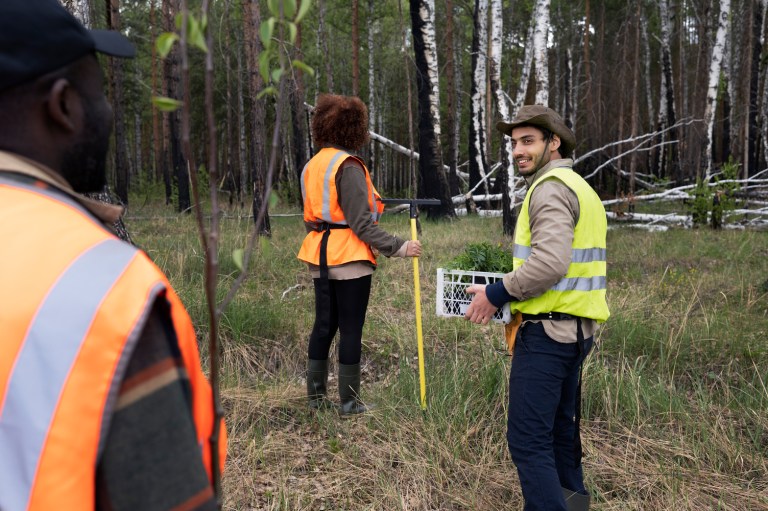
During a professional soil test, geotechnical engineers collect soil samples from different depths and analyze them in a lab. They also check the existing conditions at the construction site and see how the soil is likely to behave under the weight of the proposed building.
At the end, you’ll receive a soil test report detailing the findings and engineering recommendations for your project.

How much does a soil test cost?

For starters, the average soil test cost in North and South Carolina typically falls between $1,500 and $8,000 or more.
This includes the field investigation, soil sampling, laboratory testing, engineering analysis, and a written soil test analysis report.
However, the final price depends on several factors, including your property’s size, the type of structure being built, local soil conditions, and how much testing is required.
Let me break it down for you.
1. Small residential projects typically cost $1,500-$2,500
If you’re planning to build a single-family home on a standard residential lot, your soil testing cost will usually fall on the lower end of the pricing range.
These projects typically require fewer soil borings and laboratory tests because the site is smaller and the proposed structure is less complex.
2. Standard residential and light commercial projects cost $2,500-$4,500
For larger homes, multi-family developments, and light commercial buildings, soil analysis cost falls within this range.
These projects require additional soil borings, more laboratory testing, and a more detailed engineering analysis.
For instance, if you’re building a retail space or a multi-story residential building, the geotechnical consultant will need to investigate the soil at multiple locations across the site. Now, as the amount of fieldwork and analysis increases, so does the overall soil testing cost.
3. Large commercial projects typically cost $4,500-$8,000
Commercial developments require a more detailed geotechnical investigation. That’s because larger buildings place greater loads on the ground and often have stricter engineering requirements.
For instance, projects such as warehouses, office buildings, schools, apartment complexes, and manufacturing facilities require deeper soil borings, additional laboratory testing, and more comprehensive engineering recommendations. As a result, pre construction soil testing cost is higher than for residential projects.
4. Complex sites can cost $8,000 or more
Some construction sites require a much more extensive investigation. For instance, properties with steep slopes, soft or unstable soils, multiple proposed buildings, or unusual site conditions need extra fieldwork and engineering analysis, increasing the cost of testing.
In short, here’s the average soil test cost in North and South Carolina:
| Project Type | Typical Cost Range |
| Small residential project | $1,500-$2,500 |
| Standard residential or light commercial | $2,500-$4,500 |
| Large commercial project | $4,500-$8,000 |
| Complex or multi-building developments | $8,000+ |
What factors affect soil test cost in the Carolinas?
The biggest factors affecting the cost of soil testing include your property’s size, project type, soil conditions, and how much engineering work is needed.
Let’s have a detailed look at each of these factors and how they affect the cost of soil testing.
1. Property size
Larger properties usually require more fieldwork. Here, engineers need to perform additional soil borings across the site to accurately study the ground conditions.
Now, more borings mean more drilling, more soil samples, and more laboratory testing, all of which increase the overall soil analysis cost.
2. Type of project
The type of structure you’re building also has a big impact on pricing.
For instance, a single-family home typically requires a less extensive investigation than a large commercial building.
This is one of the biggest reasons why soil test for home building costs less than soil test for large commercial developments.
3. Soil conditions
Some properties have stable, well-drained soils that are relatively straightforward to evaluate.
But then others might contain soft clay, loose sand, high groundwater table, or expansive soils that require additional investigation.
So naturally, when the soil conditions are more challenging, engineers need to do additional testing, which increases the overall cost of soil testing.
4. Number and depth of soil borings
One of the biggest factors affecting soil testing cost is how many soil borings are needed and how deep they need to be.
For larger buildings or sites with uncertain ground conditions, engineers need deeper borings to better understand the soil profile beneath the proposed foundation. And since more drilling requires more time, equipment, and laboratory analysis, it increases the cost.
5. Site accessibility
The location and accessibility of the property also affects pricing.
For instance, heavily wooded sites, steep terrain, or properties with limited equipment access require more time to complete the investigation. Also, remote locations involve higher travel and mobilization costs which increase the final price.
6. Turnaround time
If you need the investigation completed quickly, expect your geotechnical report cost to be higher.
You see, a lot of geotechnical engineering firms offer expedited services for projects with tight construction schedules. But rush projects also require engineers to rearrange their workload and prioritize your project, which comes at an additional cost.
In short, here are the factors that affect soil testing cost:
| Factor | How It Affects Cost |
| Property size | Larger sites usually require more soil borings and testing |
| Project type | Commercial projects typically require more extensive investigations |
| Soil conditions | Challenging soils often require additional testing |
| Soil borings | More or deeper borings increase field and laboratory work |
| Site accessibility | Difficult access can increase mobilization costs |
| Turnaround time | Expedited testing generally costs more |

What is included in the final soil test cost?

The final soil testing cost includes everything from initial site visit to sample collection to testing and final report. Also, it includes recommendations for building a safe foundation for the proposed construction.
Here’s what is usually included in the soil testing cost:
1. Site visit
The first step in soil testing is a visit to the property by the geotechnical engineering team.
During this visit, they evaluate the site’s existing conditions, review the proposed construction plans, and determine where soil borings should be performed. Also, they identify any site features that could affect the investigation, such as slopes, drainage patterns, existing structures, or limited equipment access.
2. Soil borings and field testing
Next, the field crew performs soil borings at selected locations across the site. These borings allow engineers to collect soil samples from different depths and understand what’s happening beneath the surface.
Depending on the project, the investigation might also include field tests that evaluate soil strength and consistency.
3. Laboratory testing
After the field investigation, the soil samples are sent to a laboratory for analysis. Here, engineers check for things that might affect foundation design and site preparation.
Depending on the project, a laboratory testing can include:
- Soil classification
- Moisture content
- Soil strength
- Density testing
- Compaction characteristics
- Other engineering tests required for the project
4. Engineering analysis
Once the laboratory results are available, a geotechnical engineer reviews the findings and analyzes how the soil is expected to perform under the proposed structure.
They evaluate factors like soil bearing capacity, settlement potential, groundwater conditions, and any soil-related concerns that could affect construction.
5. Soil test analysis report
At the end of the investigation, you’ll receive a detailed soil test analysis report. This report summarizes the field observations, laboratory results, and engineering conclusions.
It also provides recommendations that includes:
- Suitable foundation options
- Recommended foundation depth
- Site preparation requirements
- Earthwork recommendations
- Compaction requirements
- Any additional measures needed before construction begins
In short, here’s what’s typically included in the soil test cost:
| Service | Description |
| Site visit | Review of site conditions and project requirements |
| Soil borings | Collection of soil samples from different depths |
| Laboratory testing | Analysis of soil properties and engineering characteristics |
| Engineering analysis | Evaluation of soil performance and foundation recommendations |
| Soil test analysis report | Detailed report with findings and construction recommendations |
What is not included in soil testing cost?
While a professional soil investigation provides valuable information about the ground conditions, there are several services that aren’t included in the standard soil testing cost.
These services require separate evaluations or additional engineering work. This includes:
- Structural foundation design
- Construction staking or surveying
- Environmental contamination testing
- Construction materials testing during the building phase
- Ongoing construction inspections
- Phase 1 Environmental Site Assessment
- Additional testing requested after the initial investigation
Who pays for a soil test?
In most cases, the property owner pays for the soil test.
You see, if you’re building a new home or planning a commercial development, you’ll need soil investigation before construction begins.
And since the information gathered is used to design the foundation and prepare the site for construction, the cost is usually covered by you.
That said, every project is different.
Some commercial real estate transactions can involve negotiations over who pays for pre-construction due diligence, including geotechnical investigations. For instance, if you’re getting the construction work done by a contractor, you might negotiate sharing the soil testing cost with them. .
Conclusion
By now, you should have a clear idea of how much a soil test costs in North and South Carolina and what factors influence the final price.
The good thing is that although the upfront cost seems like an additional expense, it’s a small investment compared to the cost of foundation problems, construction delays, or unexpected site conditions.
Got more questions or need a soil test for your project?
You can get in touch with us!
At NewTech Engineering, we provide professional geotechnical investigations and soil testing for home building, commercial developments, and construction projects across North and South Carolina.
Our team delivers reliable site evaluations and clear engineering recommendations so you can move forward with confidence.
FAQs about soil test cost
How much does a soil test cost in North Carolina?
For most residential and commercial construction projects, soil test cost in North Carolina typically ranges from $1,500 to $8,000 or more.
Smaller residential projects generally fall on the lower end of the pricing range, while larger commercial developments or sites with challenging soil conditions require more extensive testing and analysis.
How much is a soil test for home building?
The soil test for home building generally costs between $1,500 and $2,500 for a typical residential lot.
However, the final price depends on factors such as the size of the property, local soil conditions, the number of soil borings required, and the complexity of the proposed home.
How long does soil testing take?
Most professional soil investigations are completed within one to three weeks.
The exact timeline depends on the size of the project, the fieldwork required, laboratory testing, and how quickly the engineering report can be prepared. If you have a tight construction schedule, many engineering firms also offer expedited services.
What happens after a soil test is completed?
After the field investigation and laboratory testing are finished, you’ll receive a soil test analysis report.
This report summarizes the site conditions, laboratory results, and engineering recommendations. It also provides guidance for foundation design, site preparation, and other construction-related considerations based on the soil conditions at your property.
Is soil testing required before building a house?
In many cases, yes.
While the exact requirements vary by project and local jurisdiction, many builders, engineers, and lenders recommend or require soil testing for home building before construction begins. It helps ensure the foundation is designed for the site’s actual soil conditions and can reduce the risk of costly problems later.
Does a soil test include soil compaction testing?
Not always.
A standard geotechnical investigation might include field and laboratory tests to evaluate soil strength and engineering properties. But soil compaction test cost is often associated with construction-phase testing performed after fill material has been placed and compacted.
If your project requires compaction testing during construction, your engineering consultant can explain what’s included and whether it will be quoted separately.
Kerry Cooper is the founder of New Tech Engineering, He brings over 20 years of hands-on experience in geotechnical investigation, soil analysis, and foundation design across residential, commercial, and infrastructure projects. Kerry leads a team focused on delivering data-driven insights that help builders and developers make smarter, safer decisions from the ground up.